Day 4 of my 2-week road trip
Tropical Islands – Sachsenhausen – Berlin – Dresden – Prague – Vienna – Devin Castle – Sandberg – Bratislava – Lake Balaton – Bokodi – Budapest
I visited Berlin as part of my 2-week road trip across Europe with my partner, Alex. We spent 2 nights at a hotel in the centre of Berlin, giving us a full day to see the highlights of the city. Here’s how to do Berlin in a day. Don’t forget your walking trainers, as you will be clocking up a lot of millages! We walked a whooping 13.8miles! If you do have more days to spare, I recommend spreading out what we did over a few days.
Our Hotel
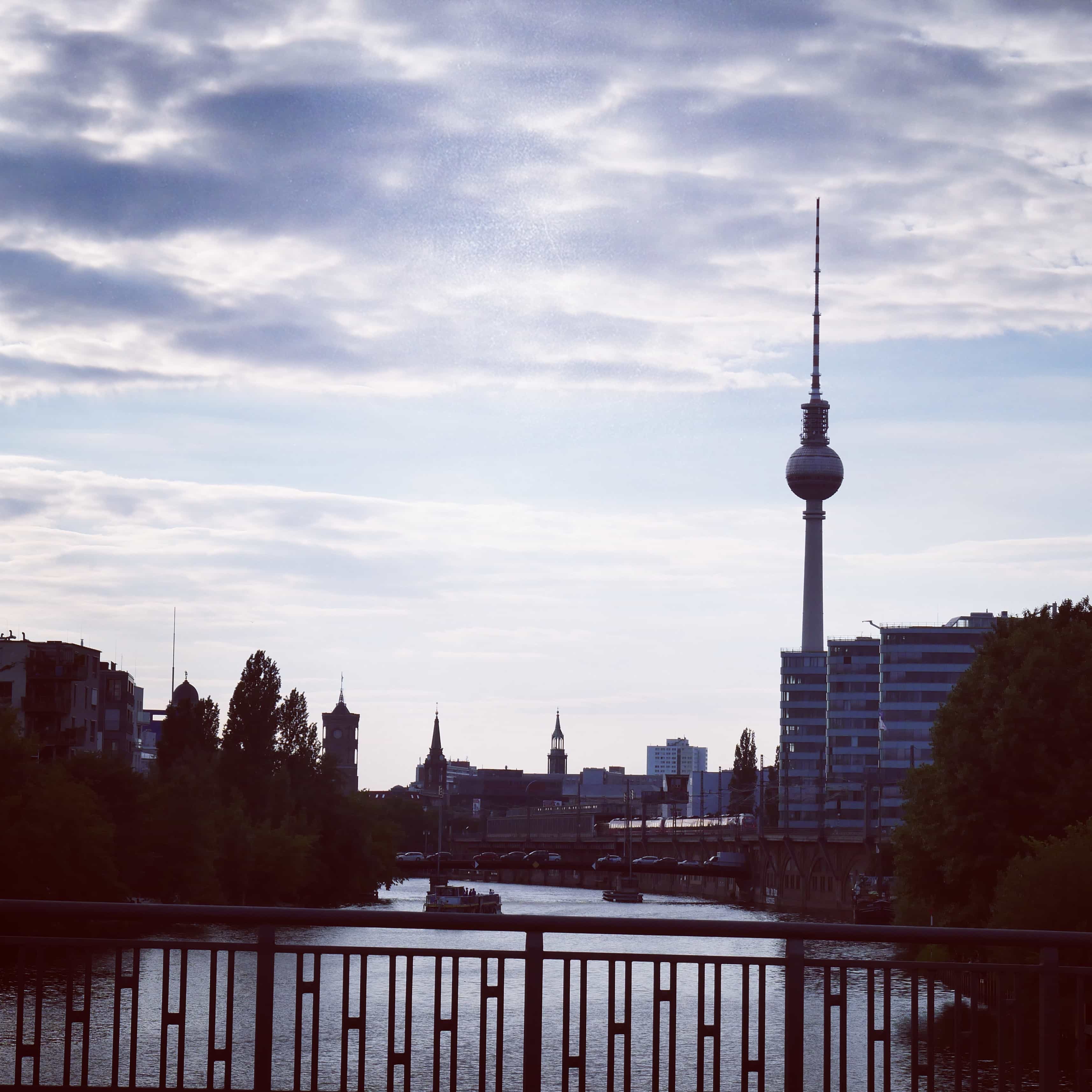
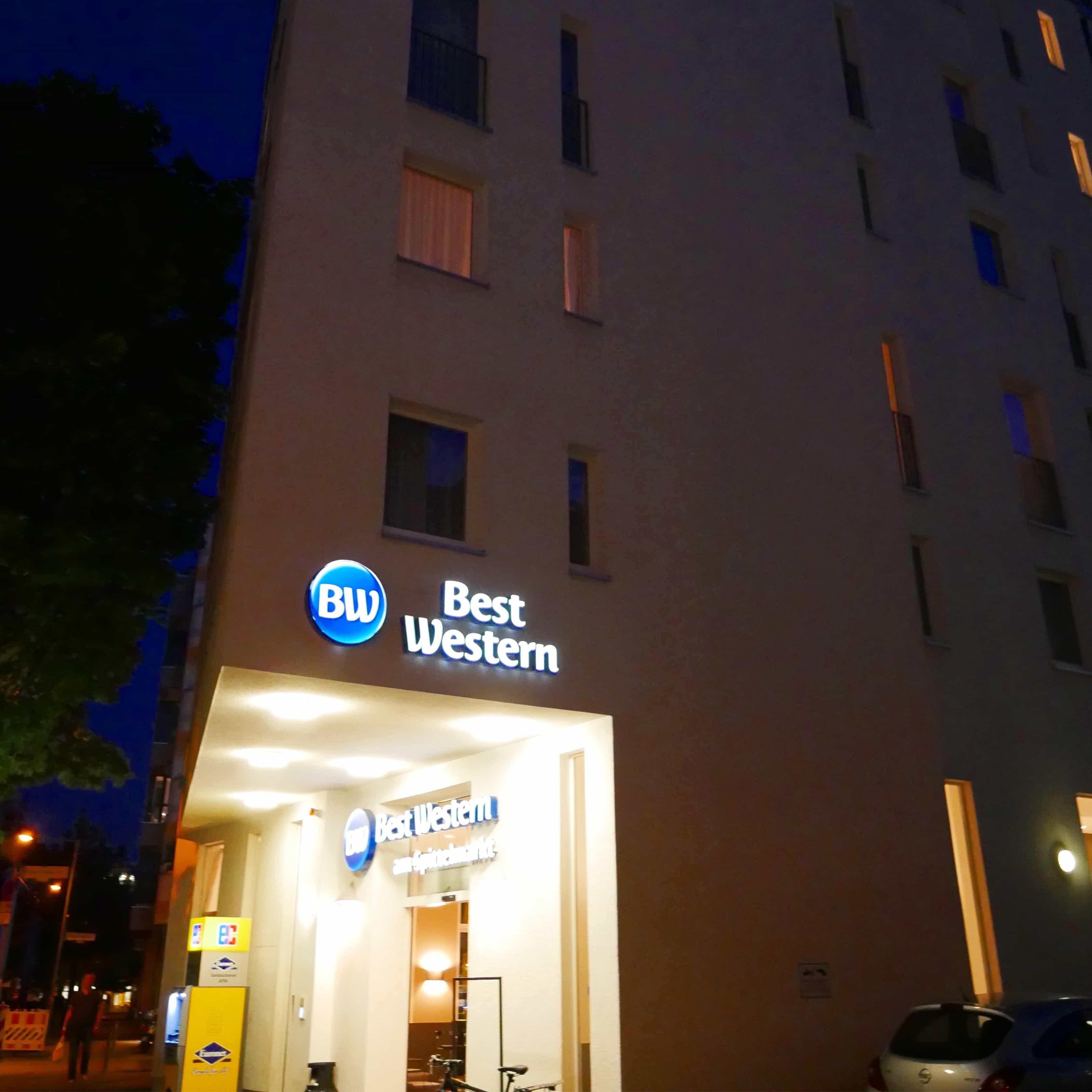
We stayed in the Best Western Hotel am Spittelmarkt for 2 nights. The hotel is based in a great location: 1.1km south of Gendarmenmarkt, 1.3km east of Checkpoint Charlie, and 1.6km southwest of Alexanderplatz. The nearest underground train station to the hotel is the U Spittelmarkt which is a short 2-minute walk away.
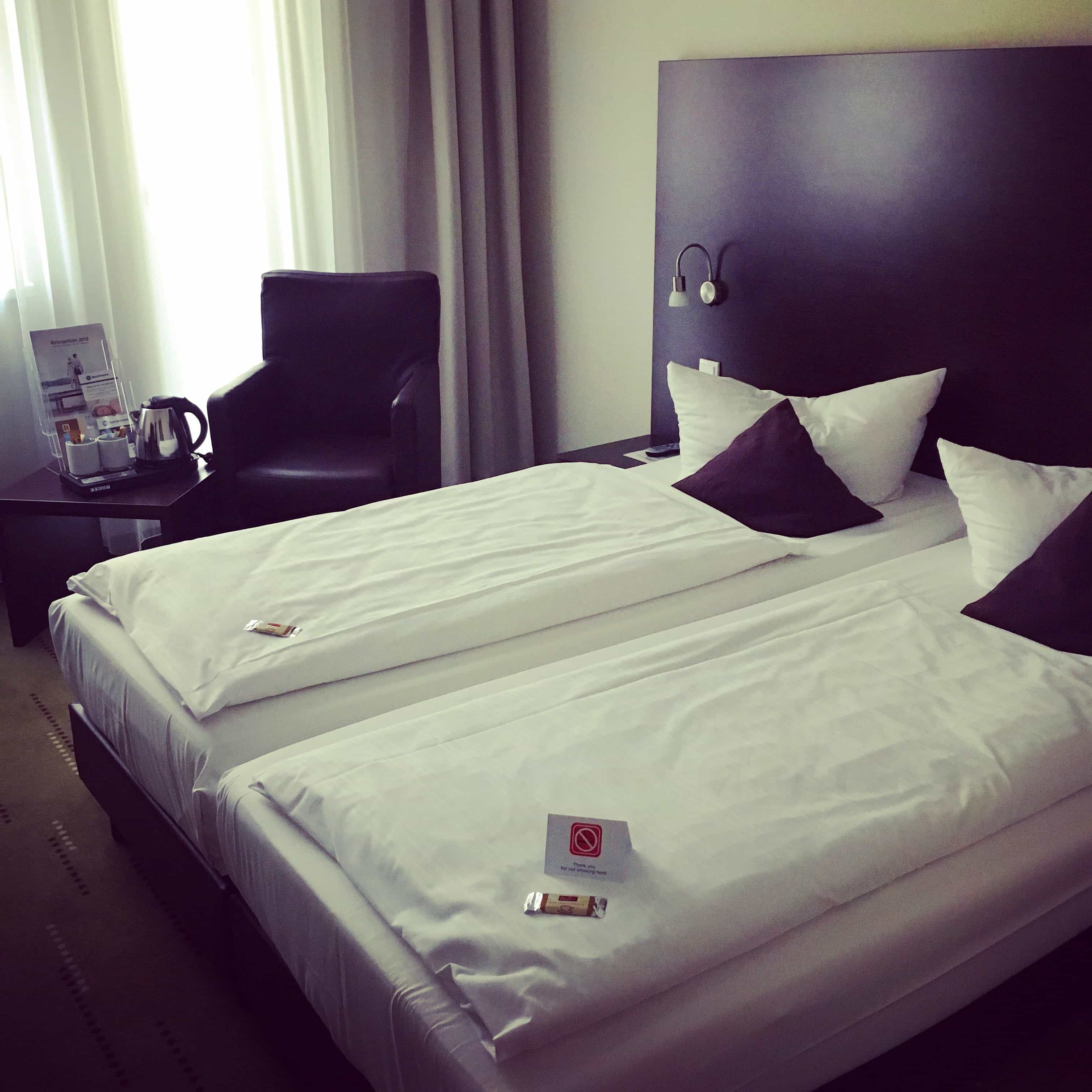
Prices start at £55 for the night with a €3.60 service charge to pay when you arrive, per day. The hotel rooms are basic but have everything you need for a good night’s sleep. There is parking if you have a car as we did. Parking cost us a €50 deposit for the city parking Vignette and then €10 a day to park.
Food
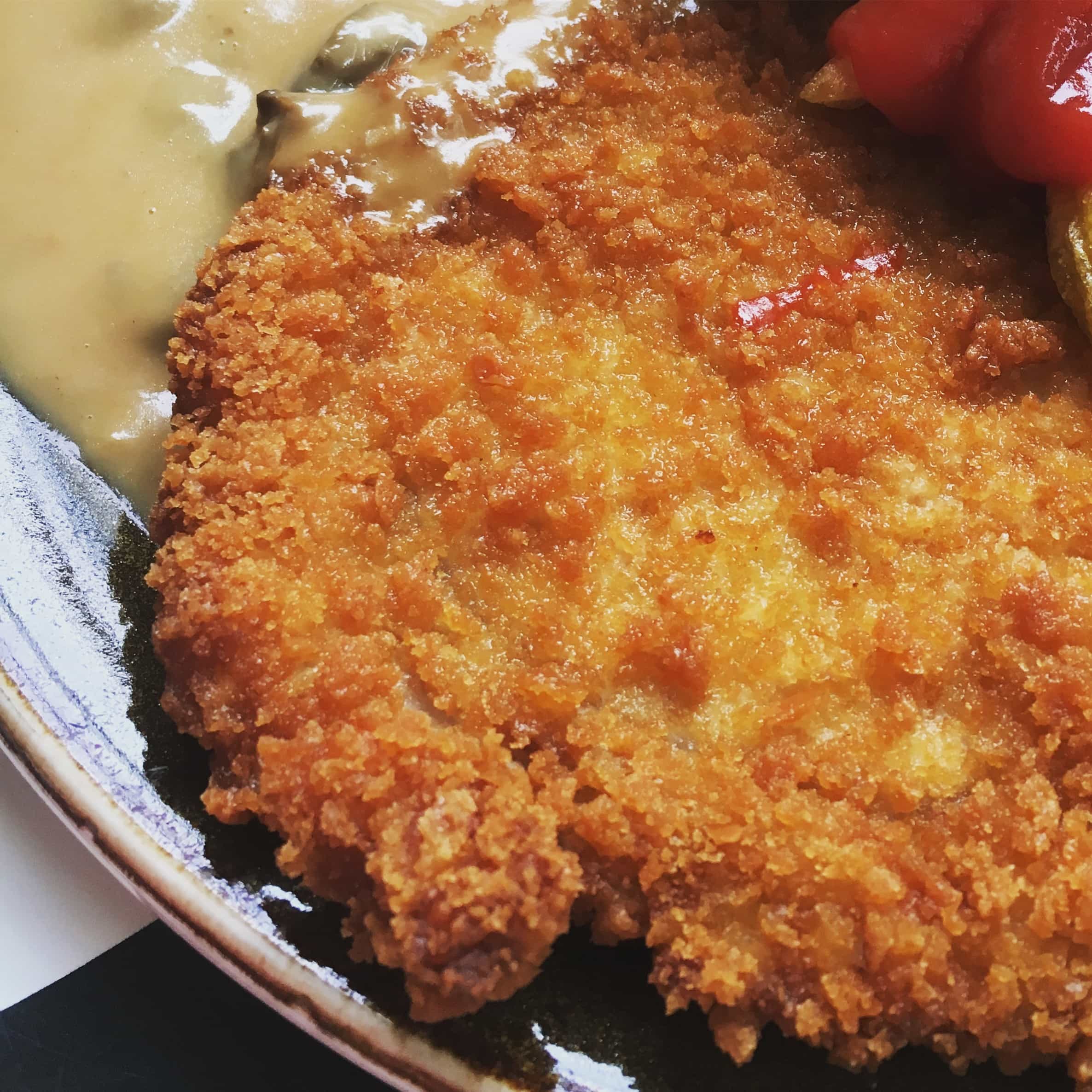
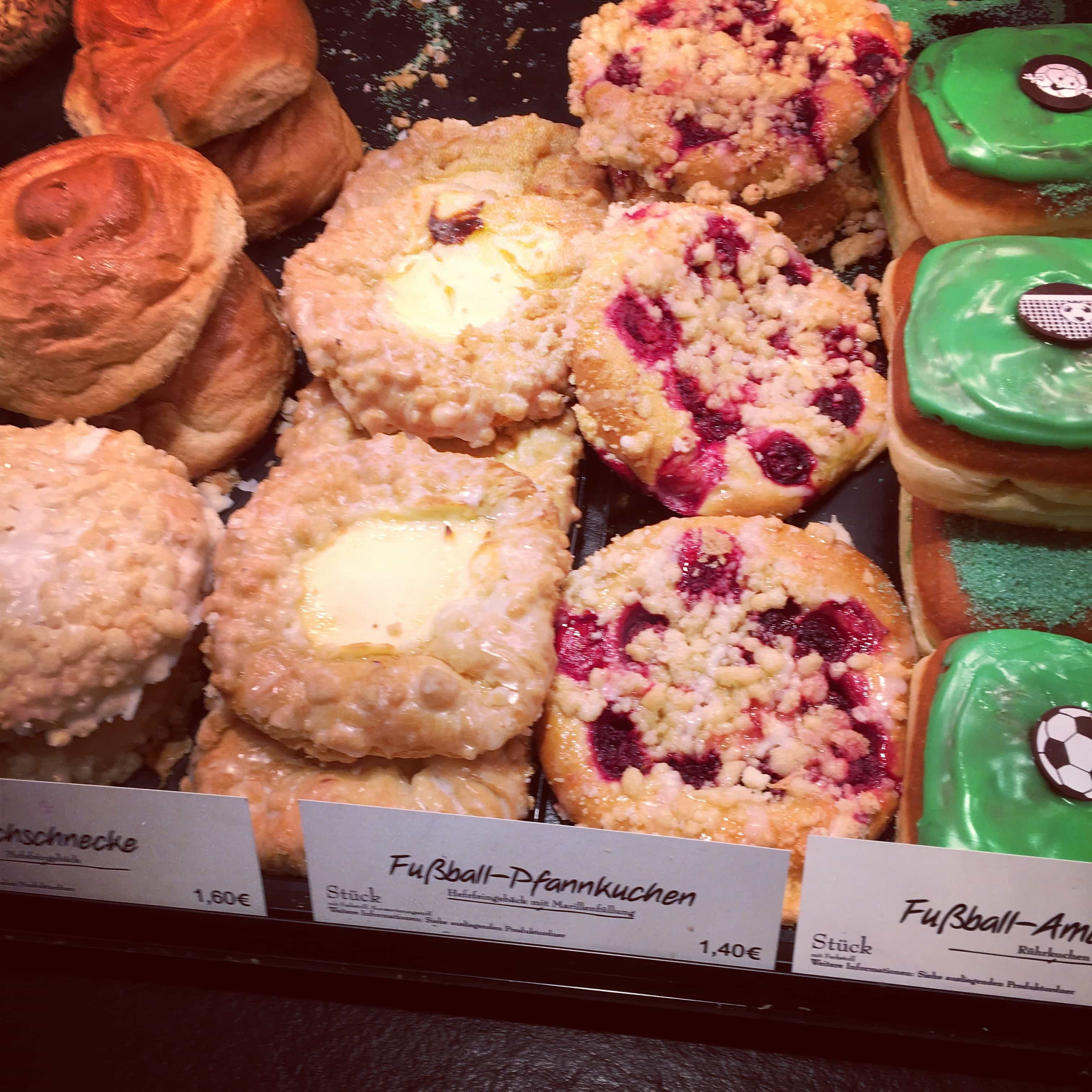
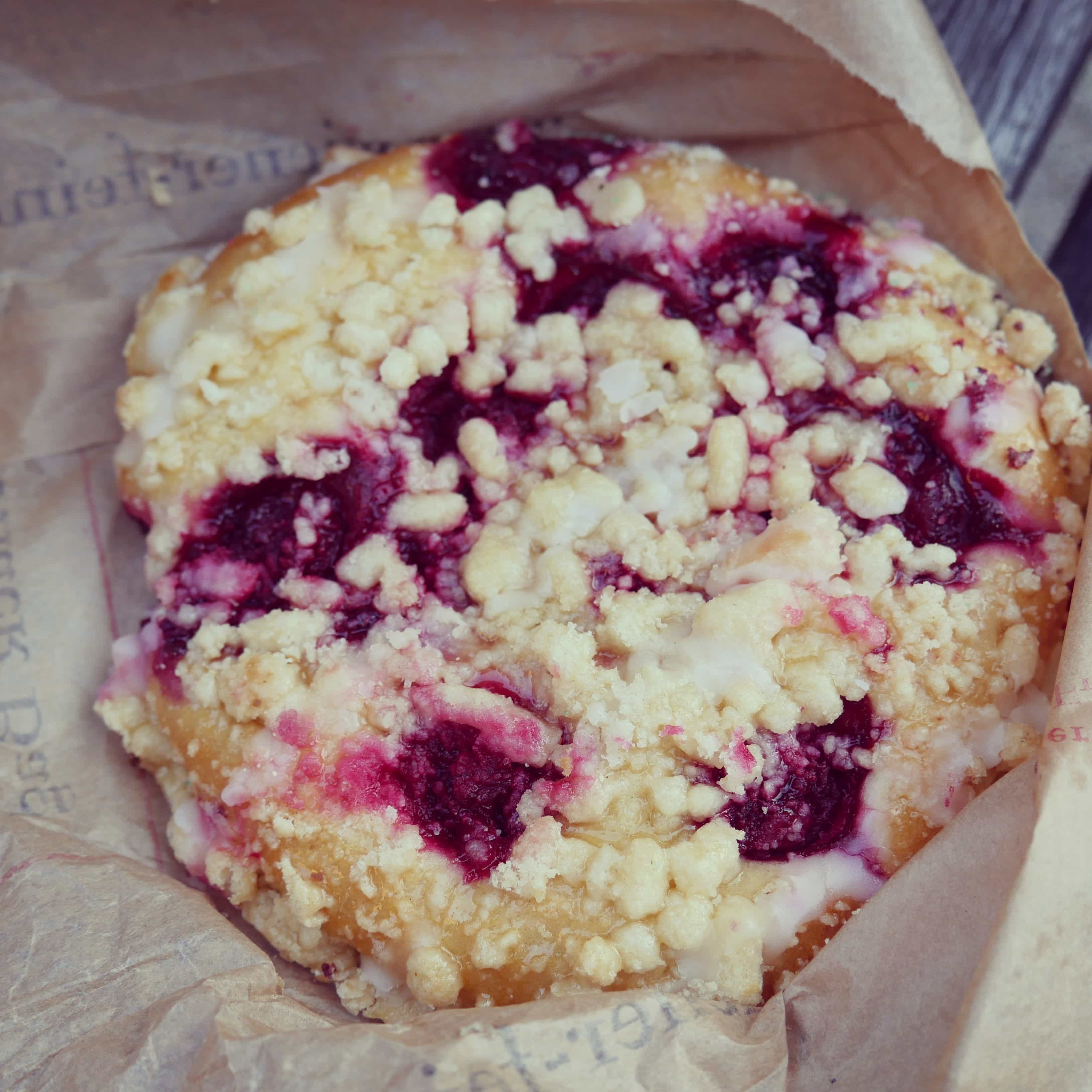
When I go traveling, I love to try local food. Germany offers a lot of great, tasty food. We had pretzels for breakfast dipped in Nutella, Currywurst, Schnitzel (German Schnitzel are traditionally made from pork), and some freshly made pastries from the bakery called Pfannkuchen.
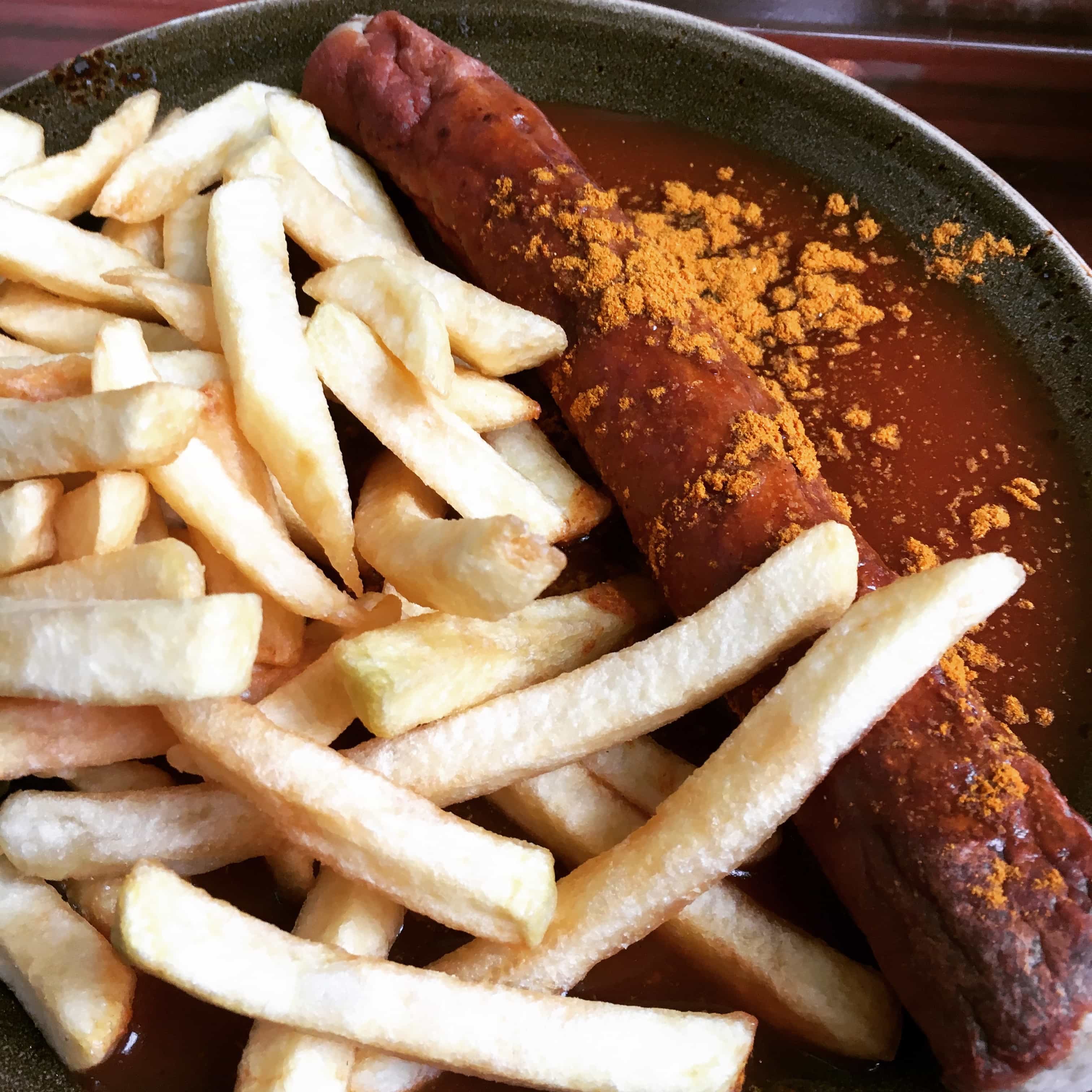
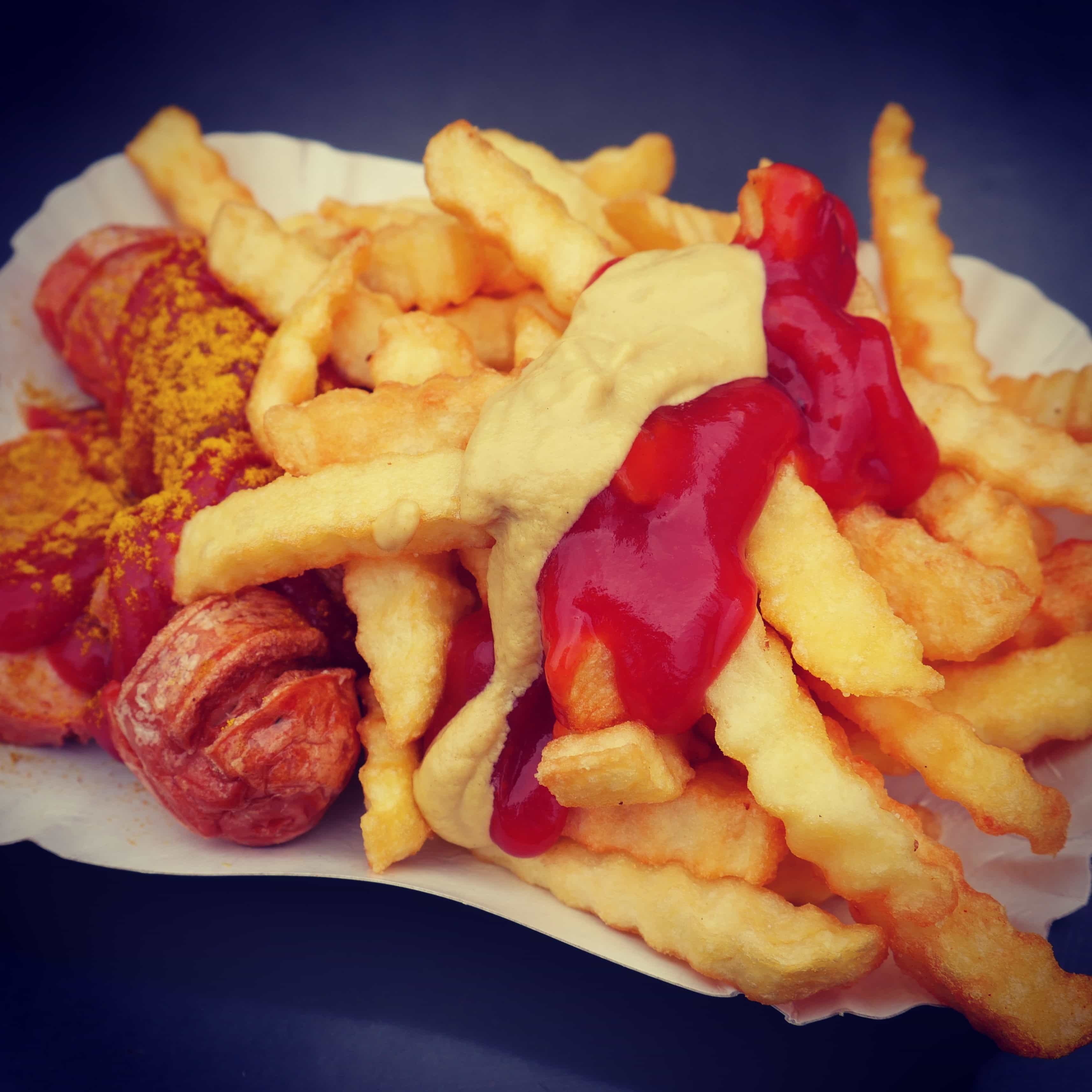
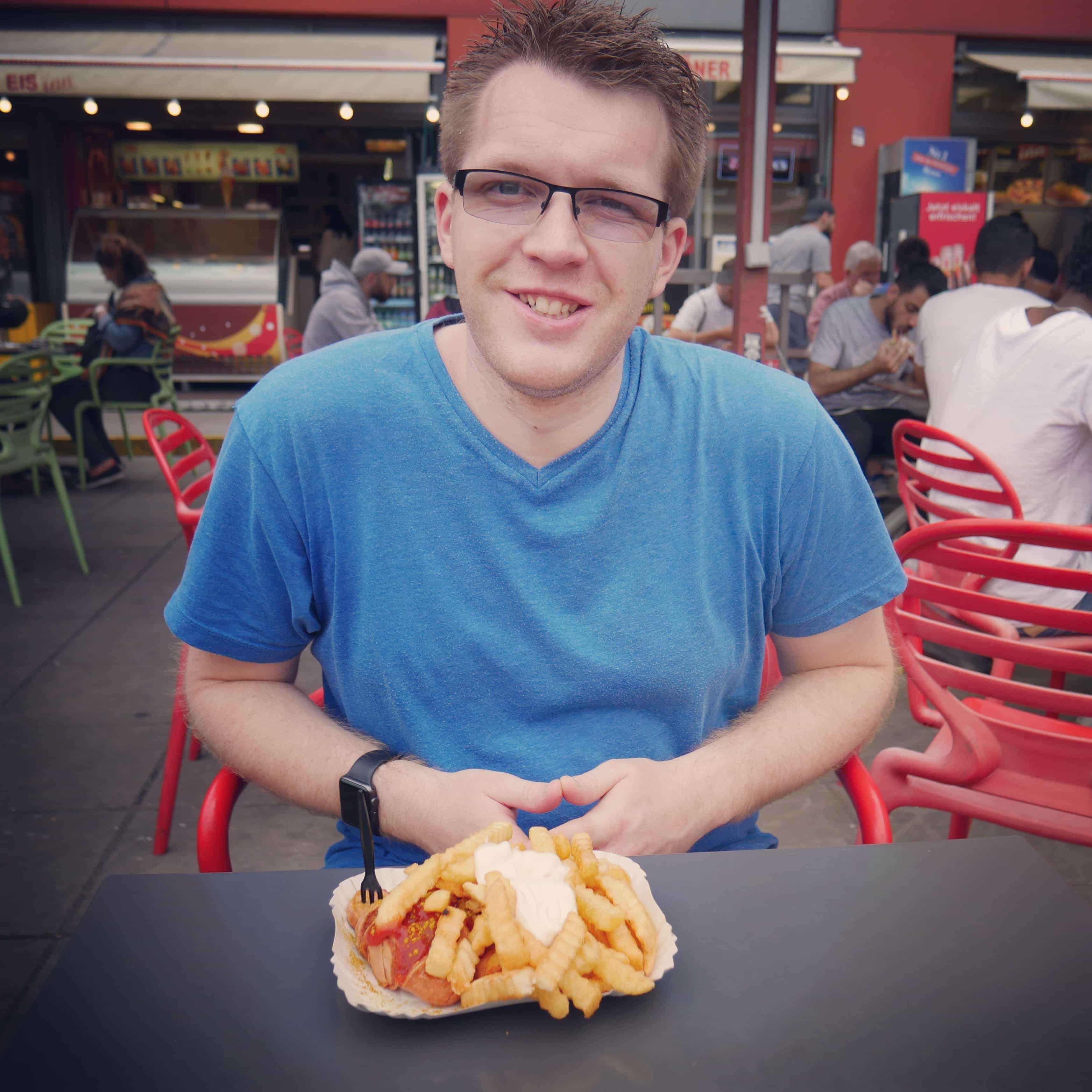
Street food is big in Germany. On our first night arriving in Berlin, we headed over to Alexanderplatz for some delicious Currywurst. We found a busy takeaway kebab shop on the street that sold Currywurst. The place had seats outside to allow you to sit and enjoy your food.

For tea on the second night in Berlin, we decided to head to the famous Ampelmann Restaurant and Cafe Bar. Café Bar. This was located in the Park and Garden opposite the Bode Museum, east of the river. If you are not sure what the Ampelmann is, I will explain further down in my blog. Here I enjoyed a Berliner Boulette, which is meatballs in a burger and a potato salad. It was delicious! The great thing about this place, you can enjoy your meal whilst sitting outside enjoying the view of the river and the garden. They have TV screens showing the sport as well. When we were there, the Fifa World Cup was playing. These are some of the menu prices at the time of writing this blog. Pizza (€11.50), Black Americano (€2.20), Berliner Boulette (€8.90) and a large bottle of water (€5.80).


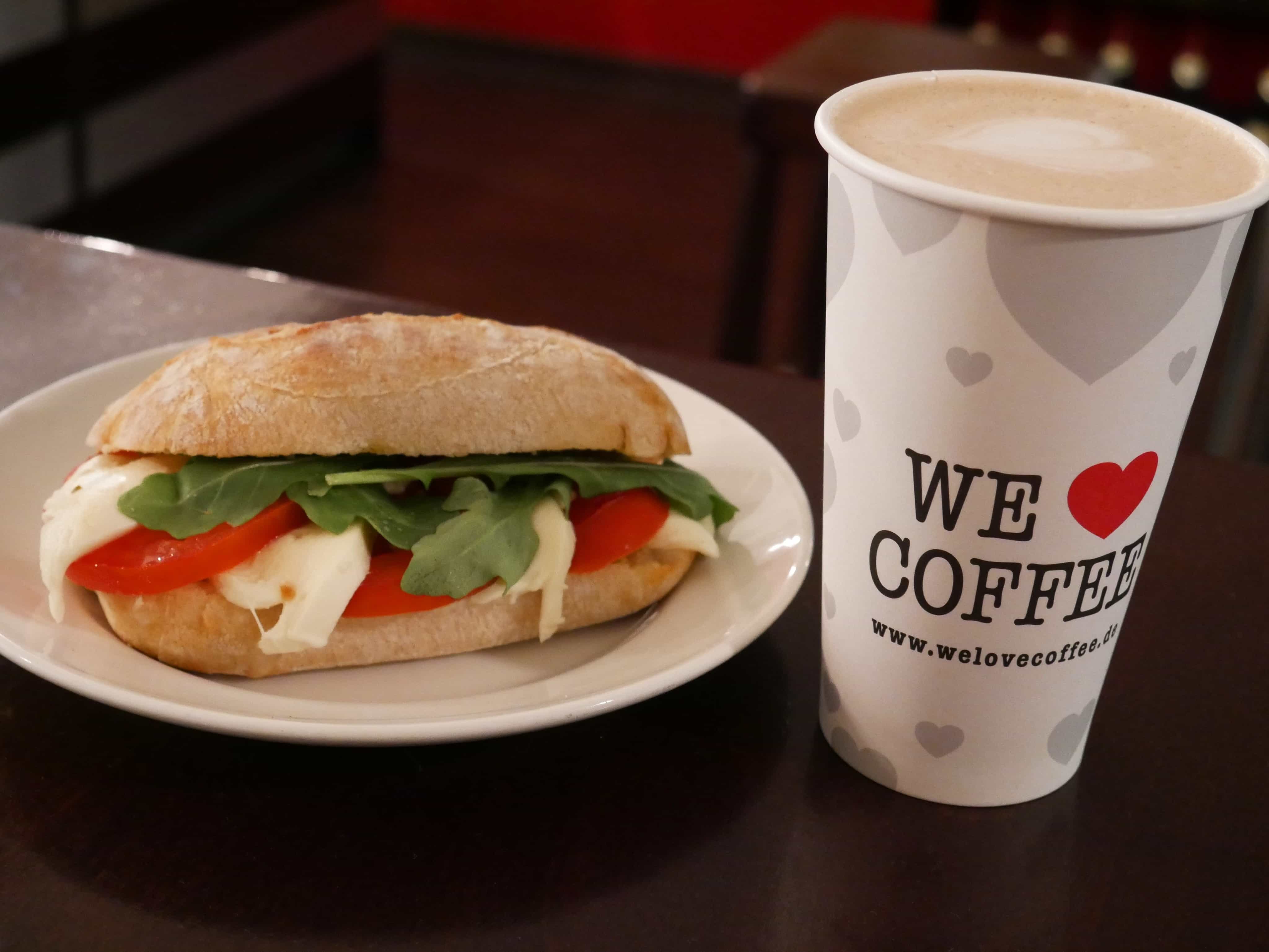
Lunch we decided to stop at the ‘We Love Coffee’ coffee shop in Potsdamer Platz. It was nothing fancy, but it was something to fill our tummy’s and to recharged us enough so we could carry on with the sightseeing. A quick sandwich and coffee are all you need at times! I can’t remember how much I paid for the coffee and sandwich, but I do remember it wasn’t expensive.
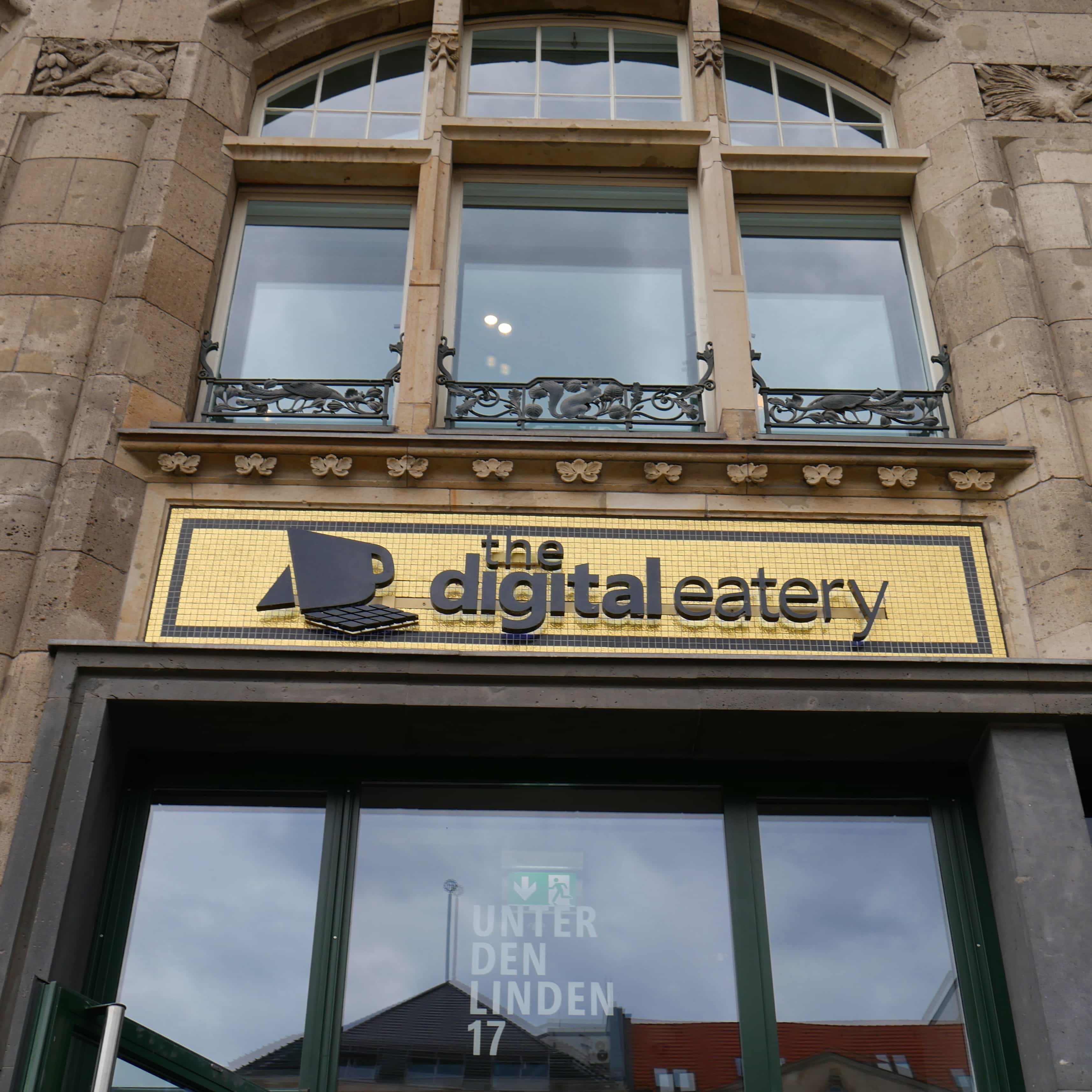
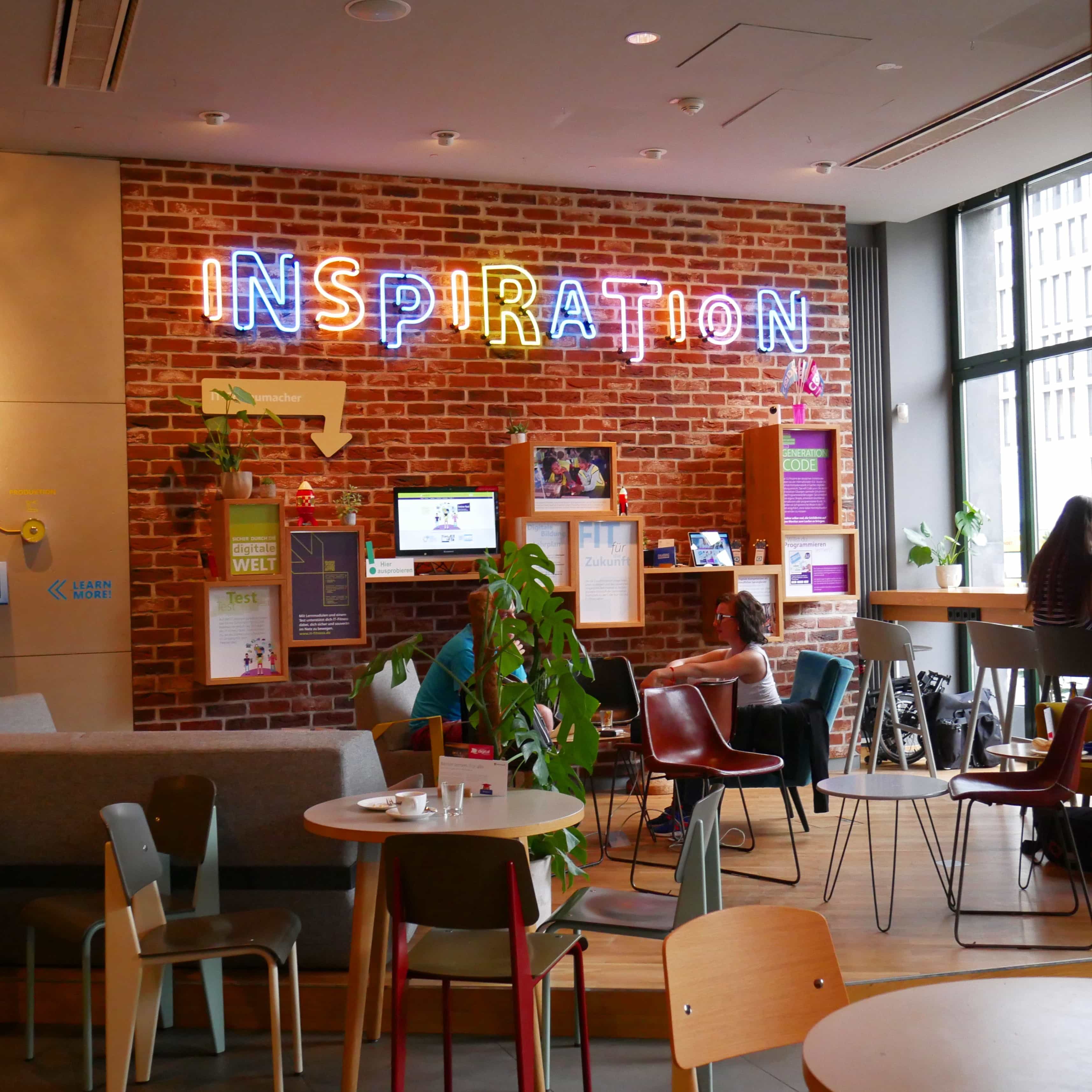
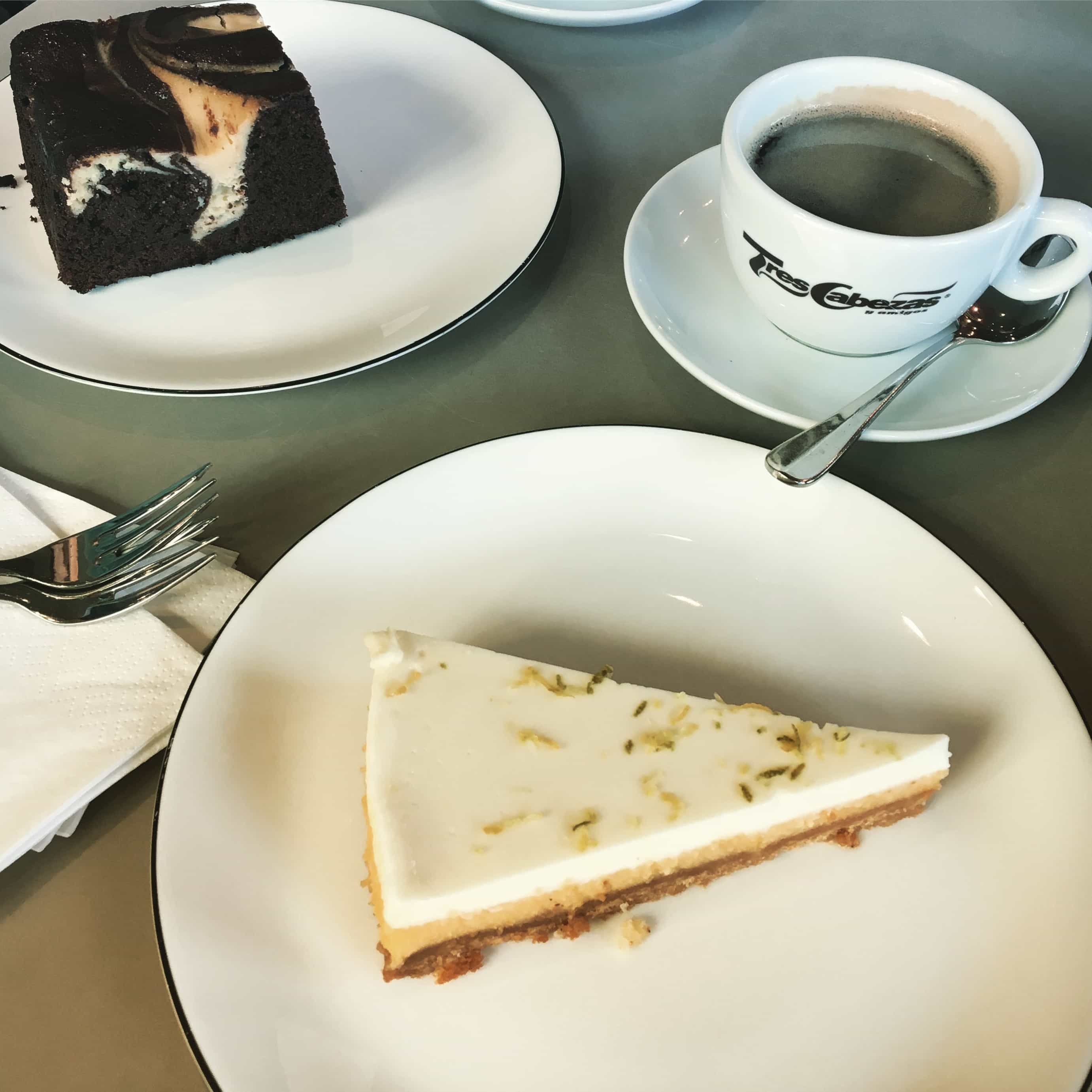
Walking around a city can be very tiring. By mid-afternoon, we decided to rest our feet and refuel. We found the perfect cafe down Unter Den Linden called ‘The Digital Eatery’. It’s a Microsoft cafe with free Wifi and ports to plug in your laptops/ipads. It also sells food and drink in a lovely chilled out atmosphere where you can spend time browsing on your laptop or electrical device. We spent an hour here enjoying the atmosphere, eating cake, drinking coffee, and using their fast, free WiFi to back-up my photos from my camera. Again, I can’t remember how much I paid for my coffee and cake, but I do remember that the prices were reasonable.

For breakfast, we decided to enjoy a pretzel in our hotel room. We had trouble finding places that sold pretzels. However, after a bit of looking around, we found a little supermarket inside the Alexanderplatz train station which sold them. We enjoyed them with a jar of Nutella that I had in my suitcase from Tropical Islands…not something I normally I carry around in my suitcase! We decided to make my little sister a Congratulations cake for passing her Geography degree with a First Class Honours Degree. I had to improvise with the ingredients inside the campsite shop at Tropical Islands. So instead of a cake, it ended up being a stack of waffles, laced with Nutella in between each layer, with M&Ms carefully sprinkled on top.


Transport
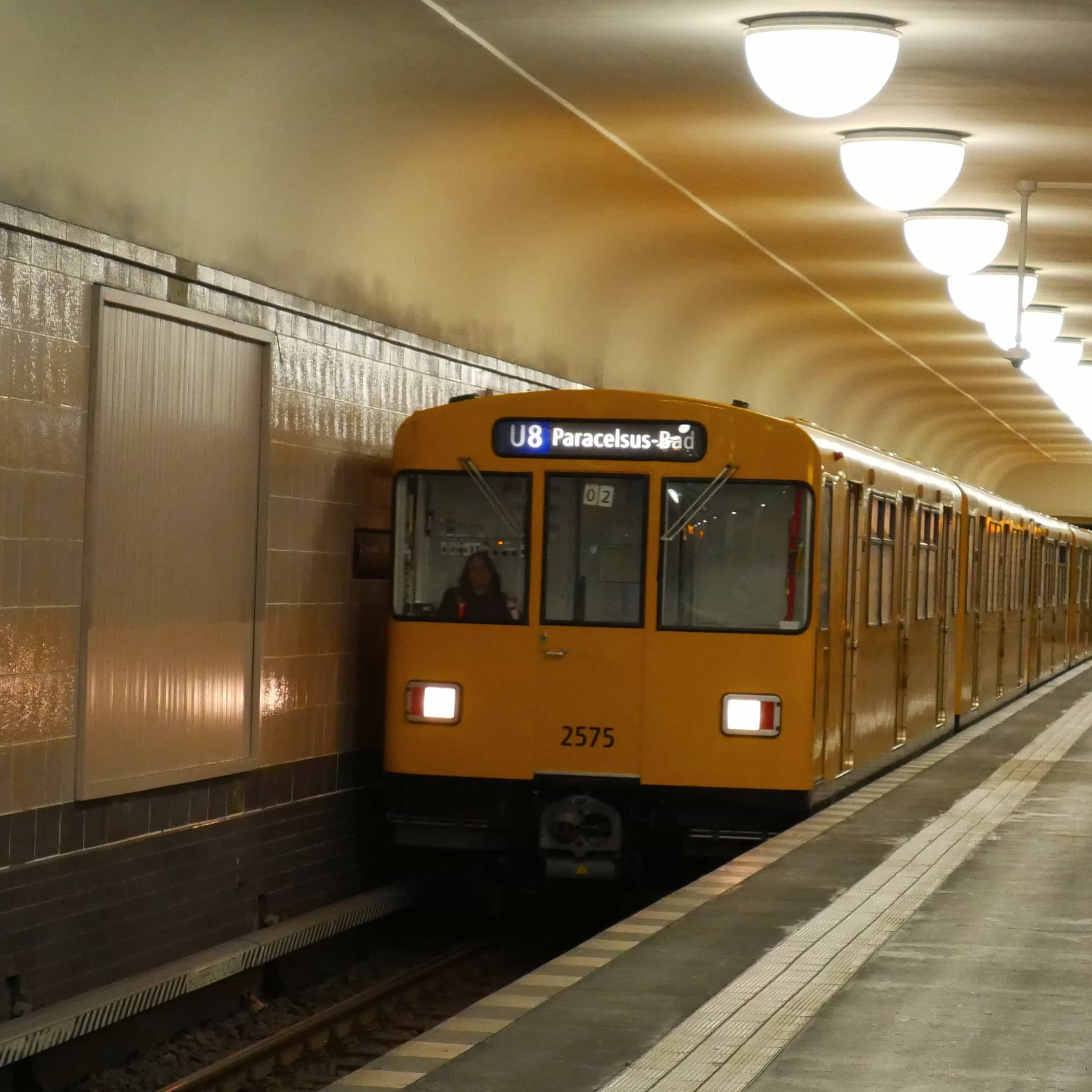
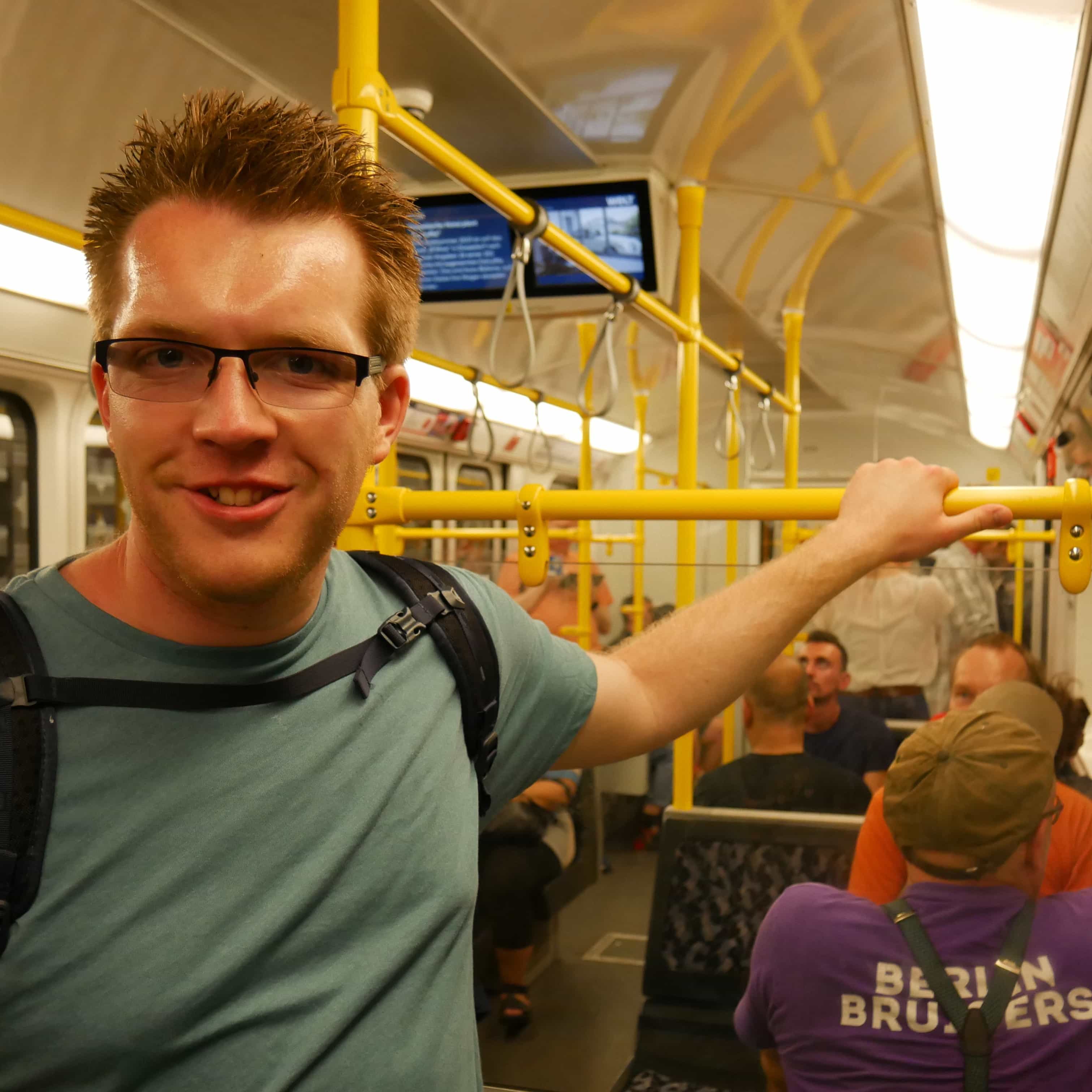
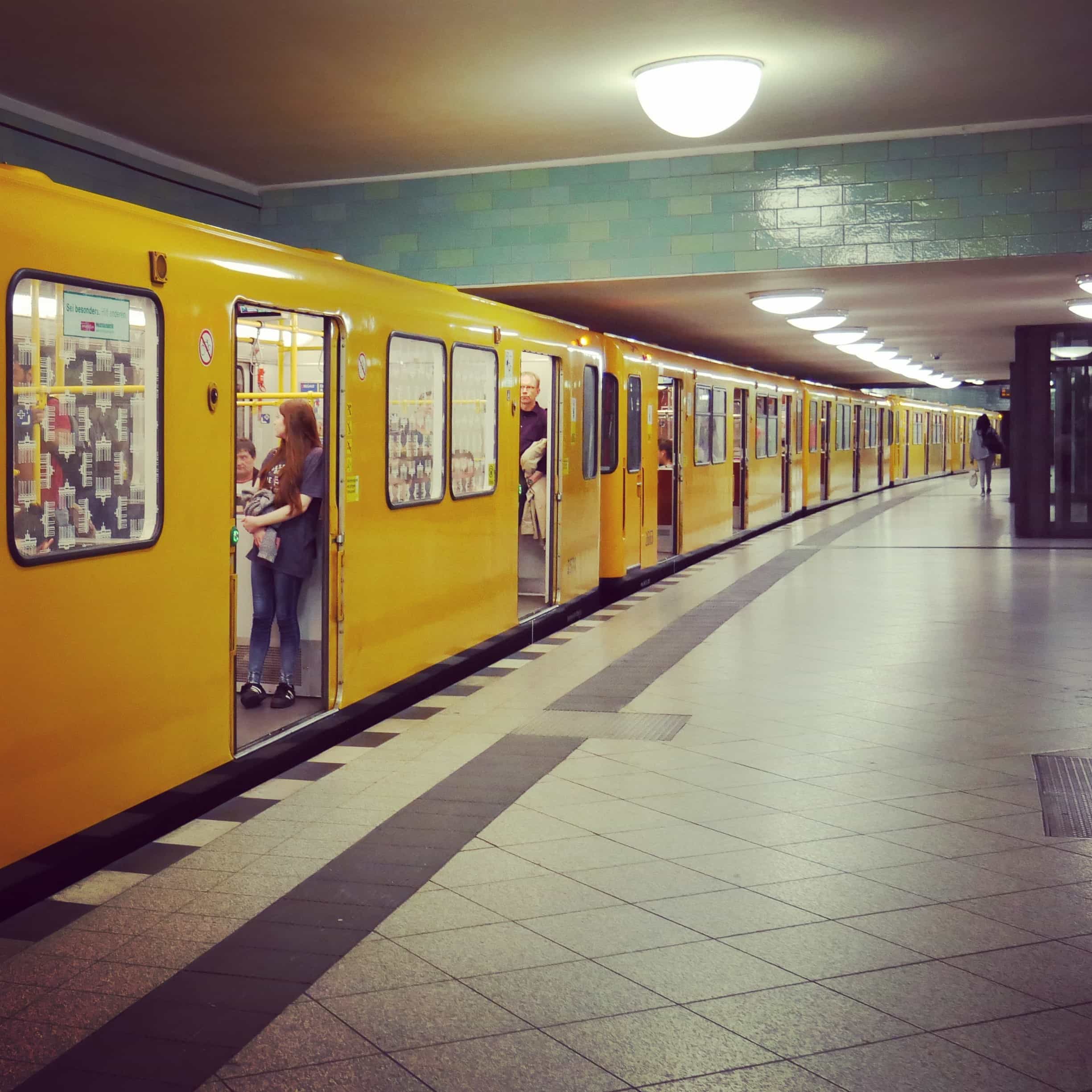
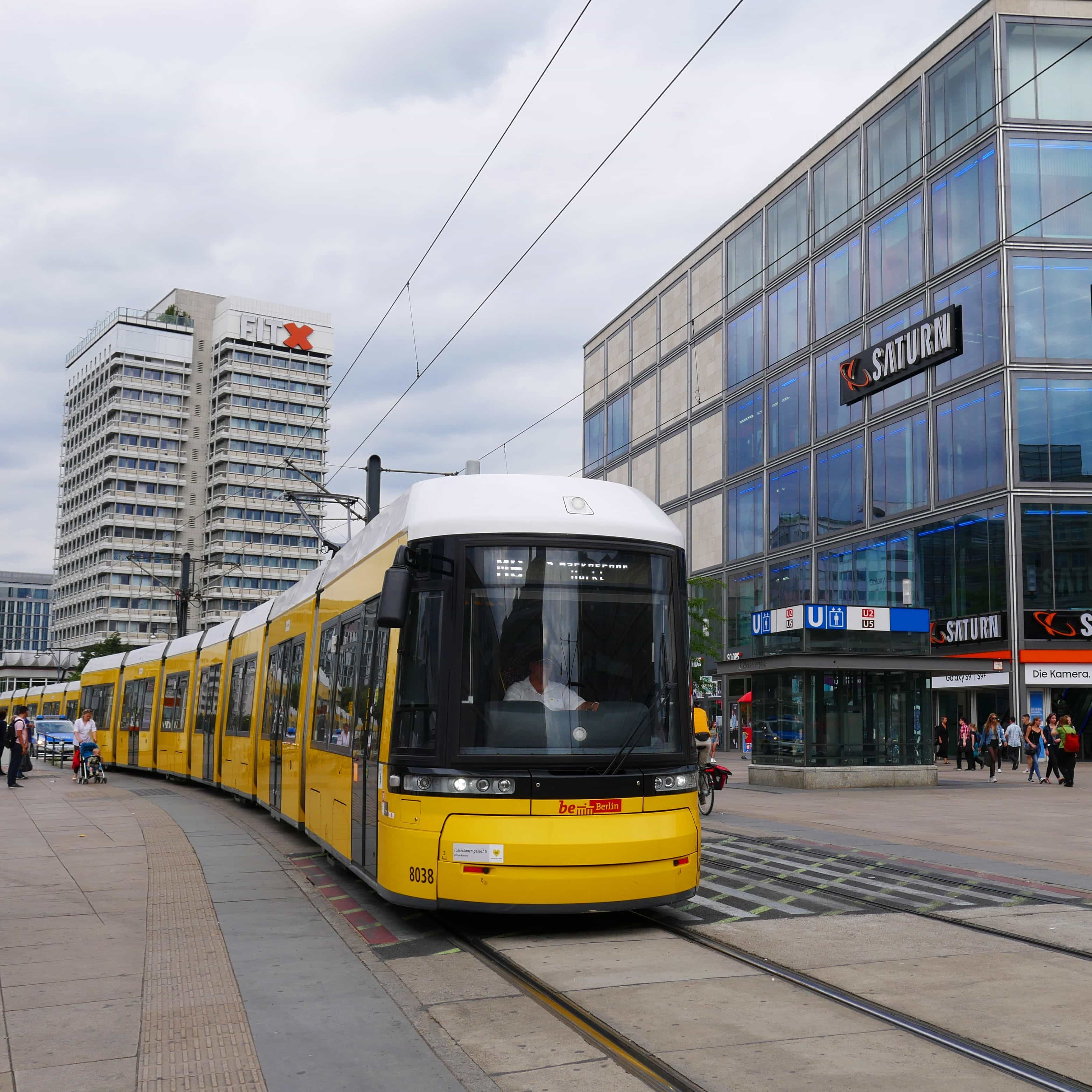
Transport in Berlin is fantastic! I highly recommend you take advantage of it! We paid €7 each for a 24-hour day ticket. This covered us for Zones A and B and we could use it on the S-Bahns (trains), U-Bahns (underground), trams, buses, and the ferries. You can purchase your tickets at any of the stations. Just one key point to always remember: you must always validate your ticket before boarding public transport! If you don’t, you can get fined. The validation machines are in all the S-Bahns and U-Bahns stations. If you’re catching a bus or tram, the validation machine is actually on them. If you have a 24-hour ticket like us, you only need to validate your ticket on your first use and it will last for the reminding 24-hours. If you are using single tickets, you will need to validate each ticket each time you use public transport. I thought you had to validate your ticket every time you used public transport. You don’t need to.
For more information on Berlin’s public transport and to see the transport maps, please click on this link: Berlin Transport


Visiting the Sights of Berlin in a day
As mentioned earlier on in this blog, we did Berlin in a day. Below are the sights we visited and the order we visited them in. We used public transport to help to save our feet at times and managed to clock up a whopping 13.8 miles on foot! If you only have a day to spare, here are all the important sights to see and the best order I recommend you to see them in:
Gendarmenmarkt Square
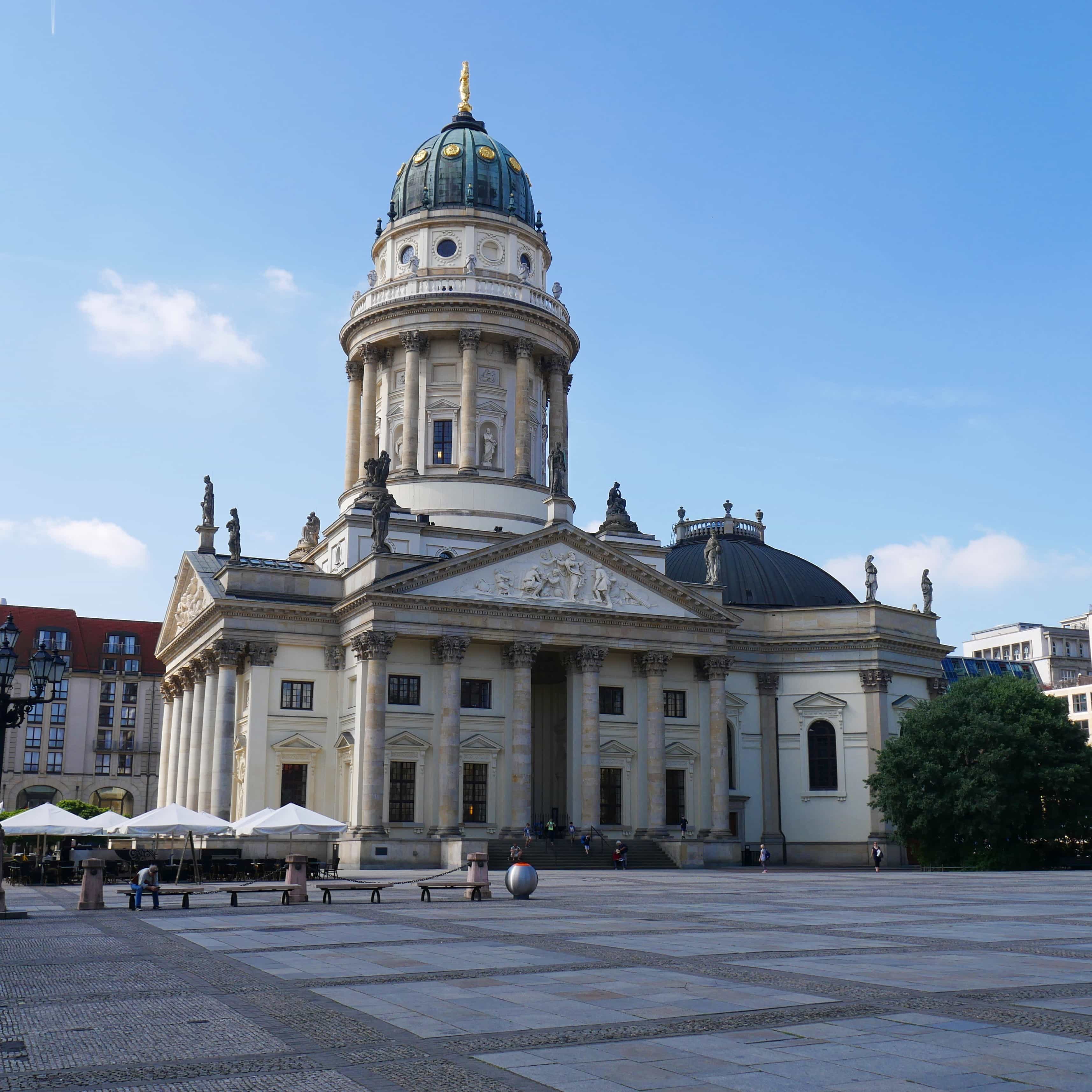
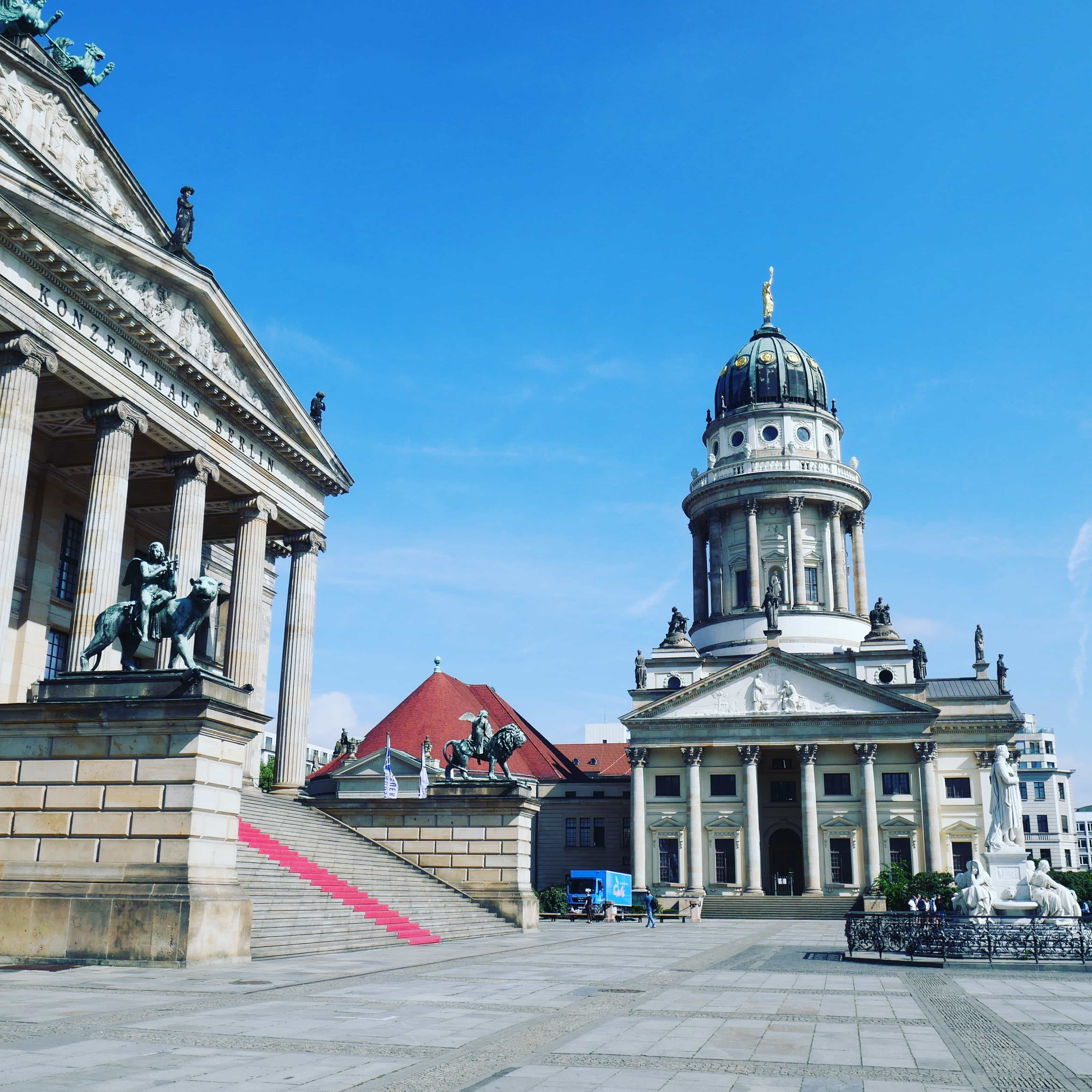
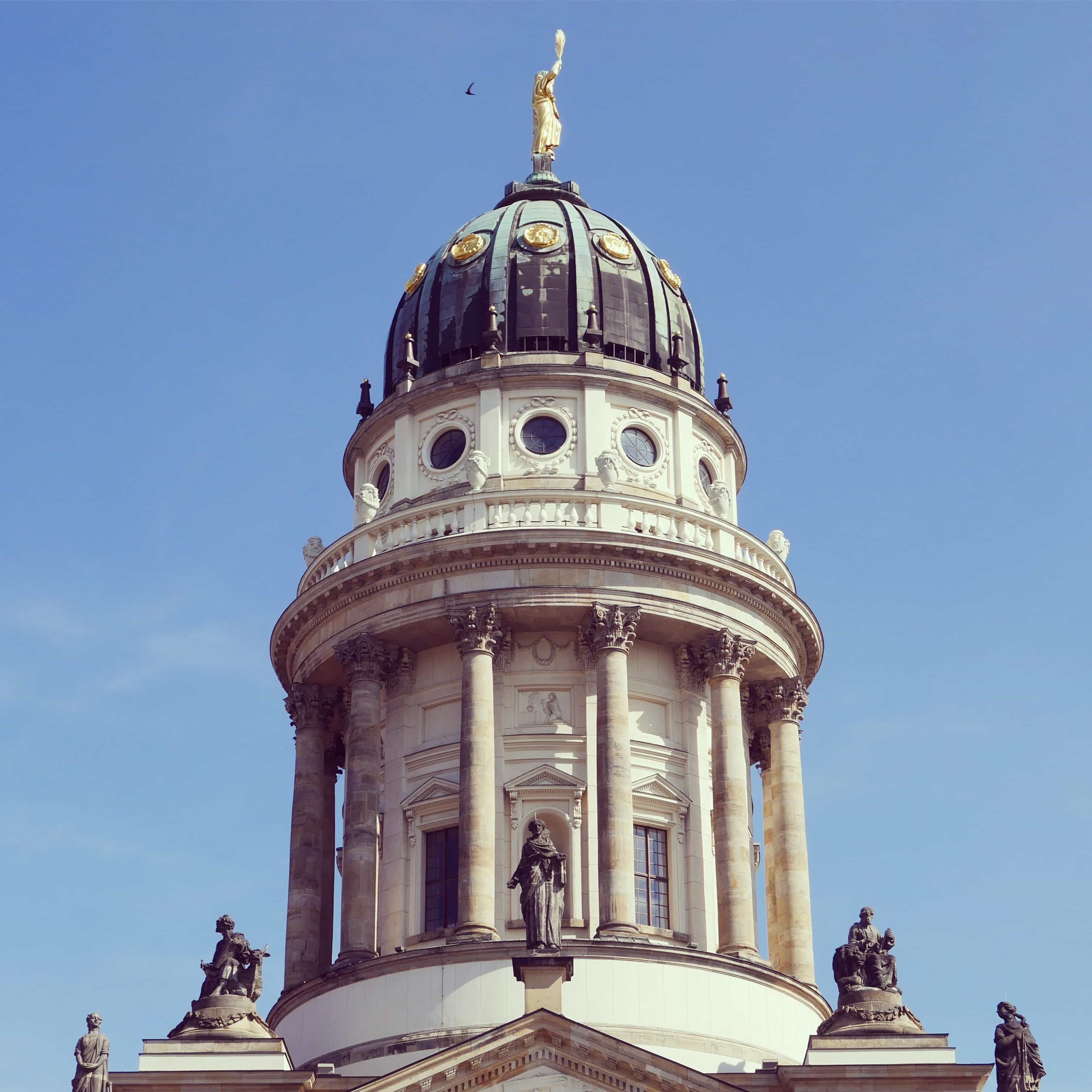
We caught the U-Bahn from our hotel to Gendarmenmarkt Square. The square is one of Berlin’s prettiest squares. Located on one side is the German church, on the other side is the French church and in the centre is the concert hall. They are 3 architecturally beautiful buildings. The square was first built in 1688, but unfortunately during World War II, the square was heavily bombed and the buildings got badly damaged. Since the war, many of the buildings have been restored. We arrived at the square around 9 am, so we beat the crowds which allowed us to get some ‘tourist-free’ photos. I recommend you try and do the same if you can.

Ampelmann Store
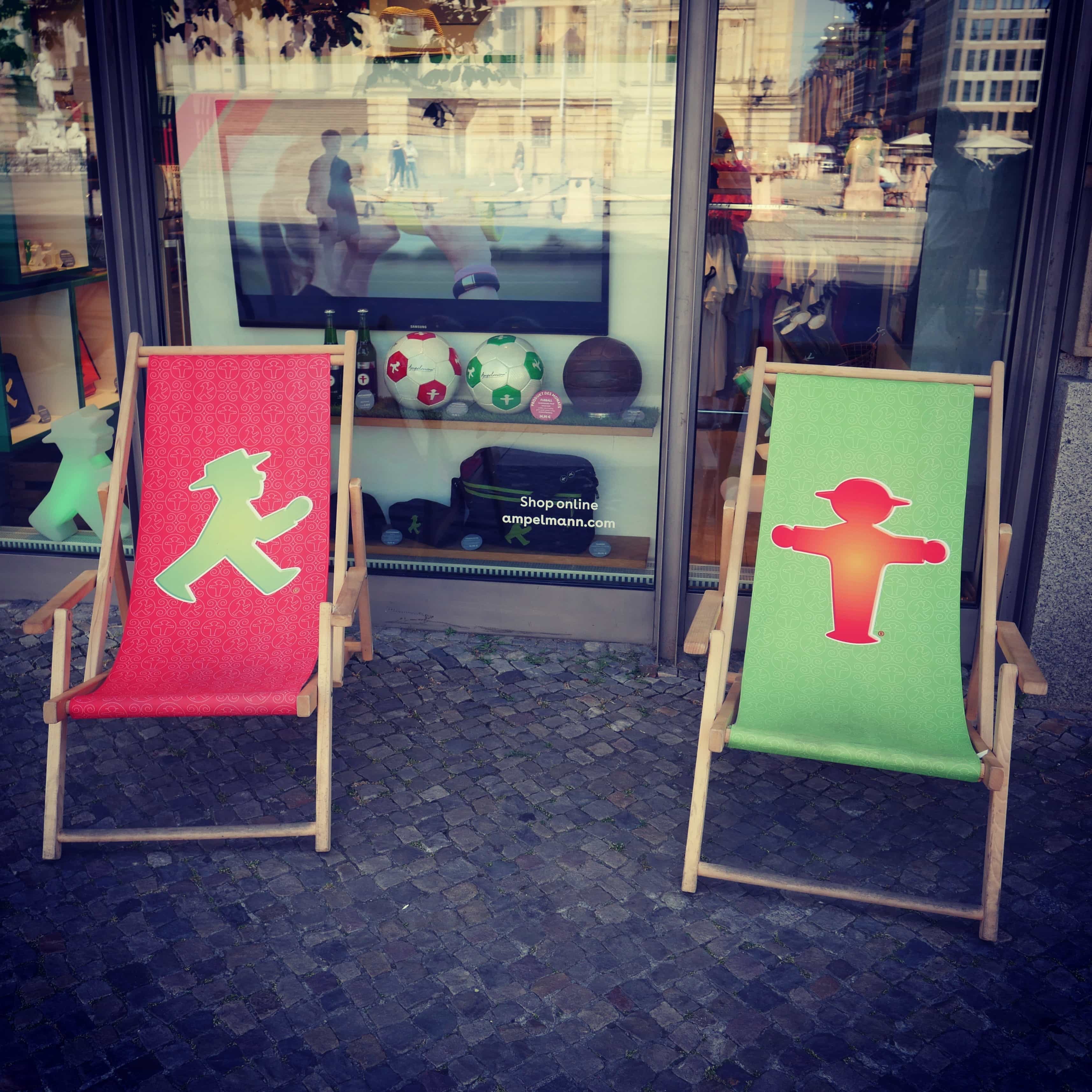
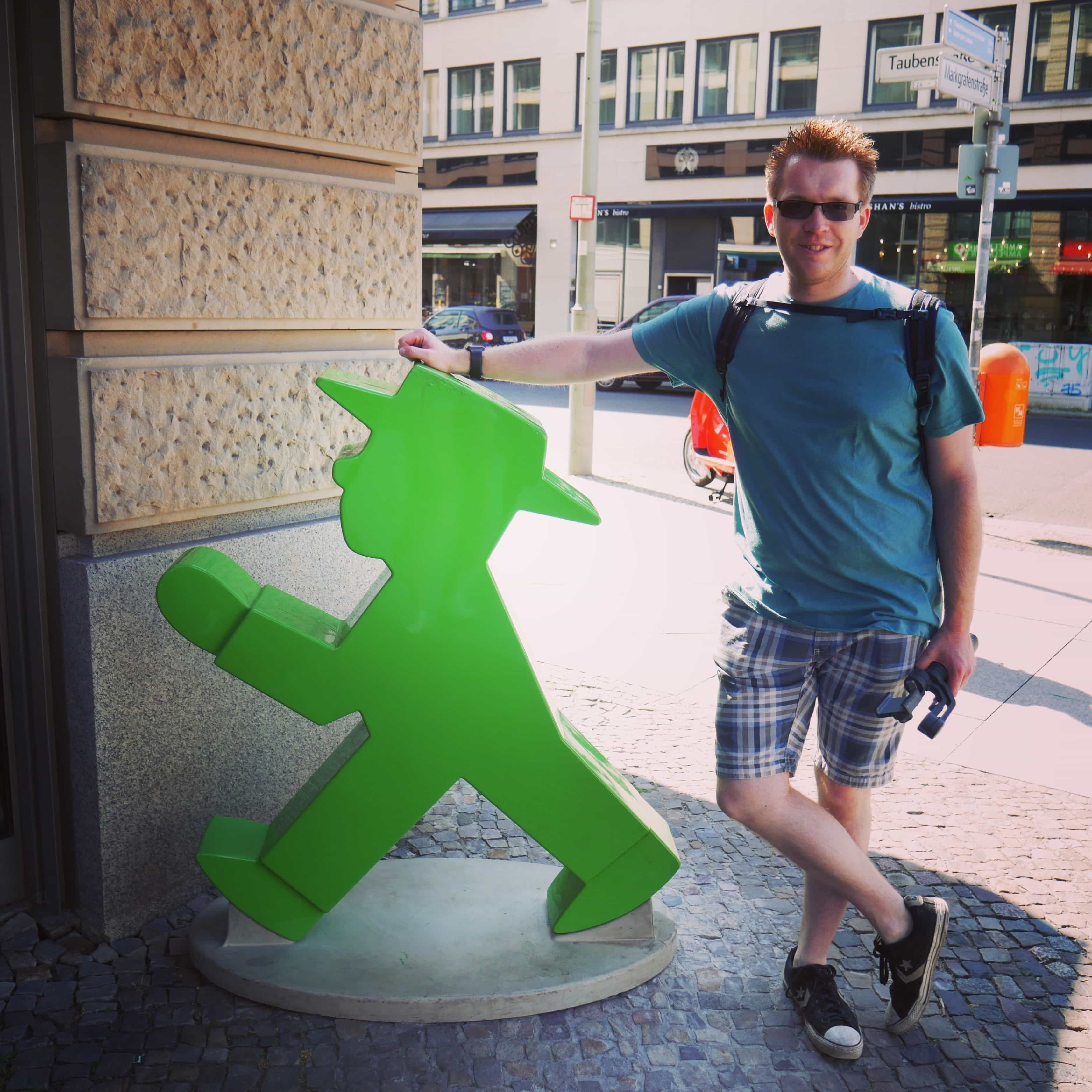
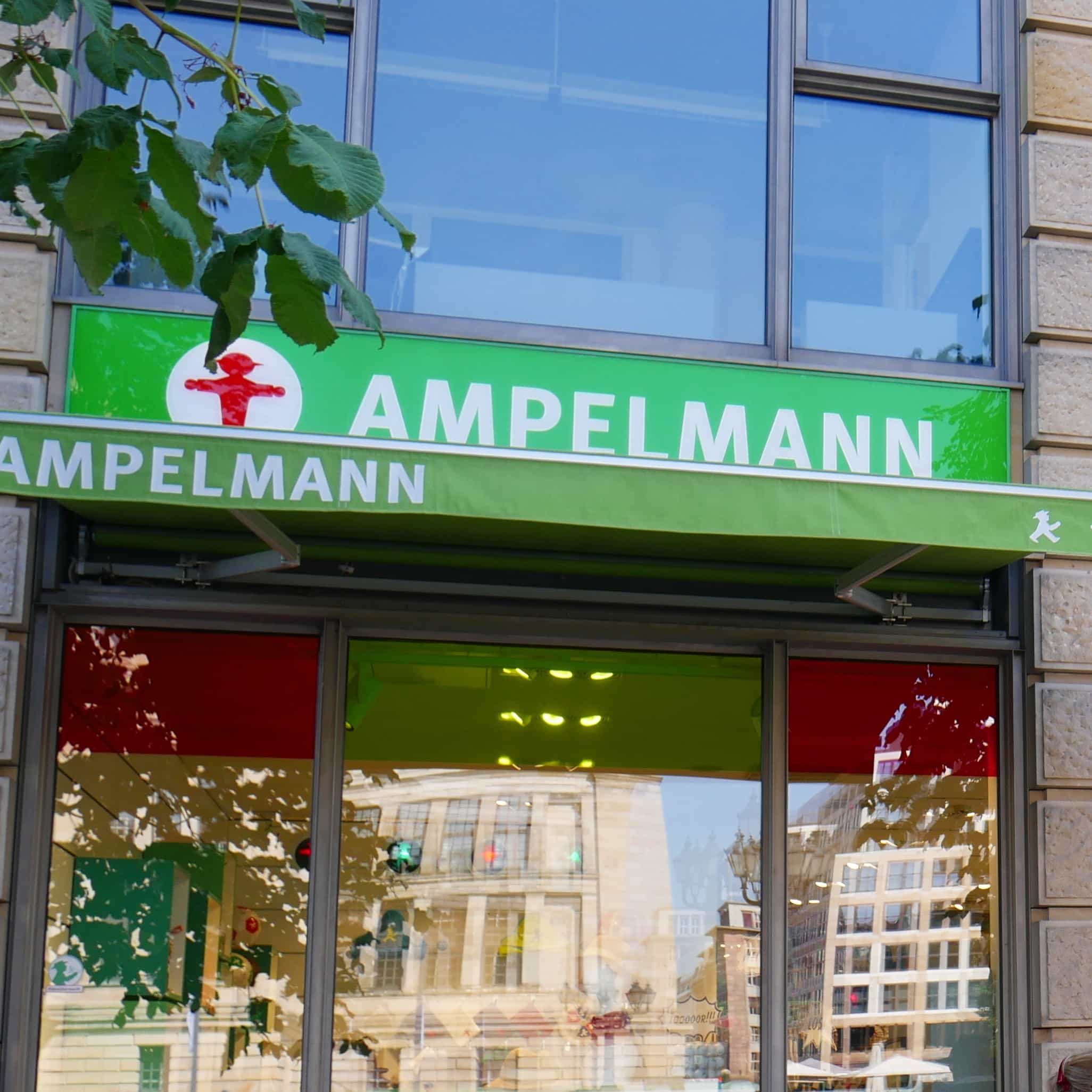
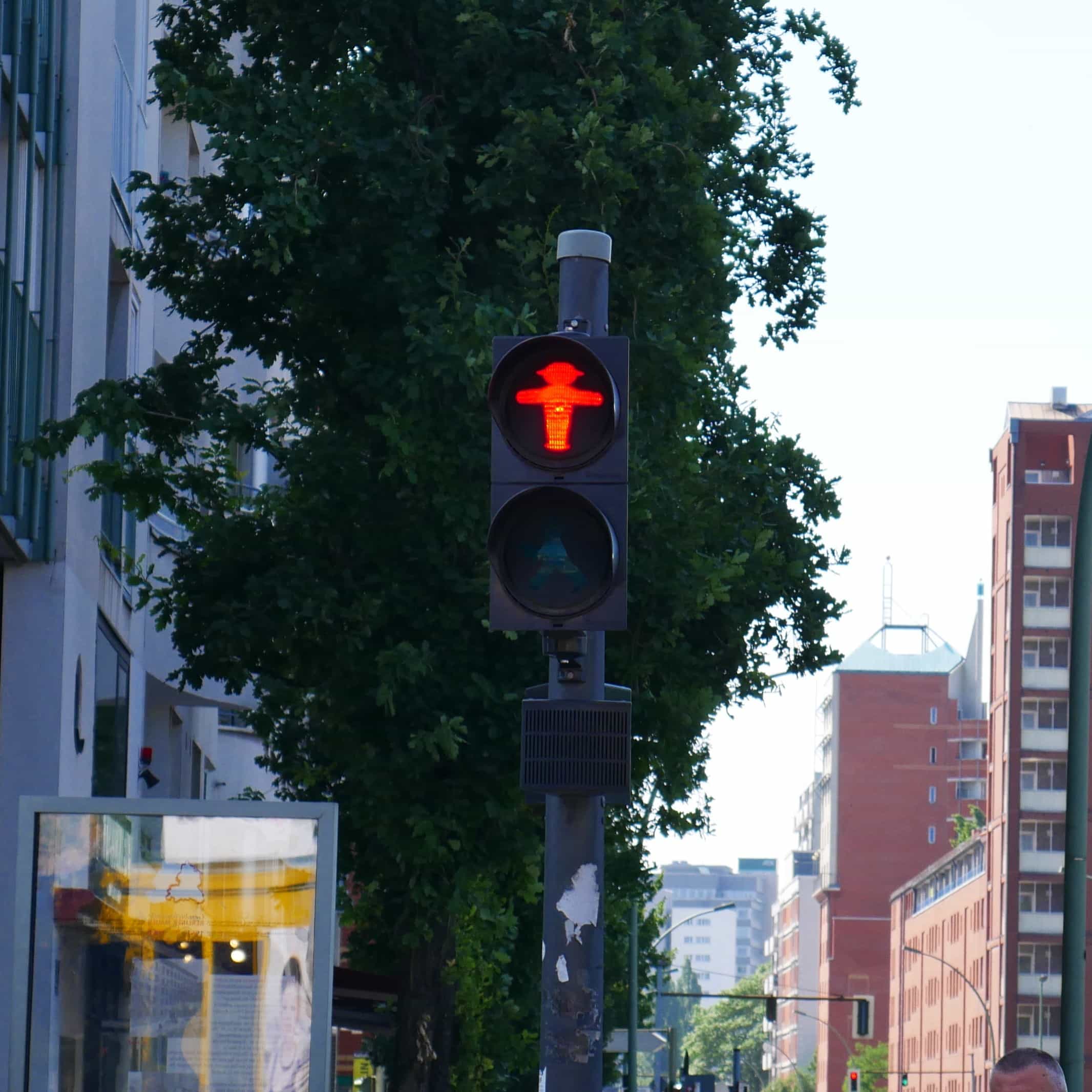
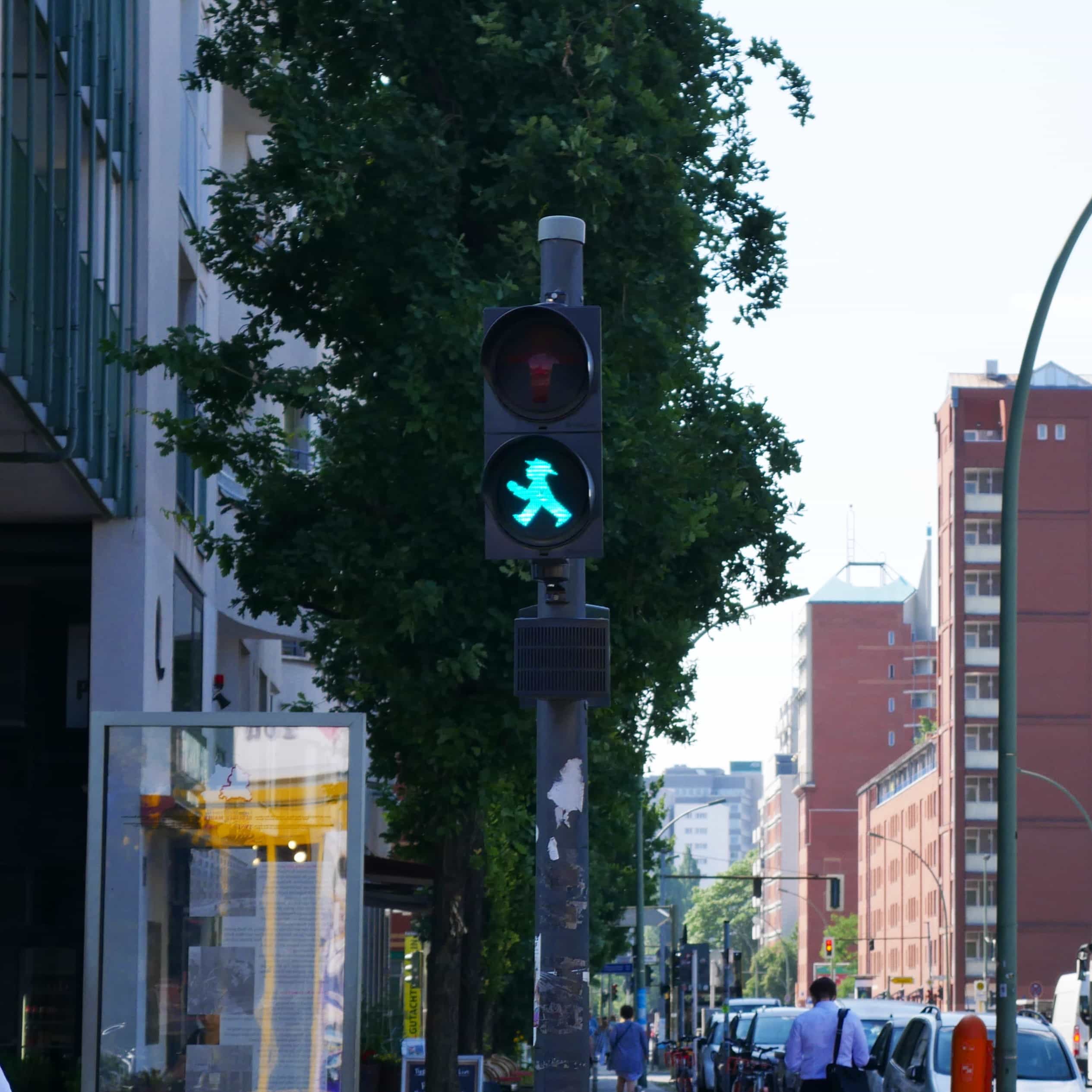
Located at Gendarmenmarkt Square is the famous Ampelmann Store. Before visiting Berlin, I had never heard of Ampelmann and I guess you’re most probably thinking the same too. So here is a bit of history of the famous Ampelmann:
The Ampelmann all started in Berlin when a traffic psychologist in the GDR, named Karl Peglau introduced his Ampelmann figures to pedestrian traffic lights in 1961. Before he came up with his idea, countries from all over the world were trying to design one but ended up becoming standardised for everyone, for bikes, cars, and pedestrians. Karl Peglau didn’t like the standardised traffic lights as they did not cater to people who can not differentiate between red, yellow, and green. They were too small and not very bright. They do not help the elderly or young children to cross the road. So in 1969, the Ampelmann figures were installed into the traffic lights in Eastern Berlin. In 1989, everything changed. The Berlin wall got knocked down and the traffic lights were changed to the same as the Western Berlin’s ones, the standardised ones. After a while, Karl Peglau managed to persuade the government to change them back to the Ampelmann figures, after lamps been made with the Amplemann figures on for people’s homes. In 1996, they founded the Ampelmann Company.
Since then, they have created countless design products that grab the attention of Amplemann fans from all over the world. There are shops, restaurants, and cafes all around Berlin with the Ampelmann theme.
Information gathered from a leaflet I picked up at the Ampelmann store.

Checkpoint Charlie
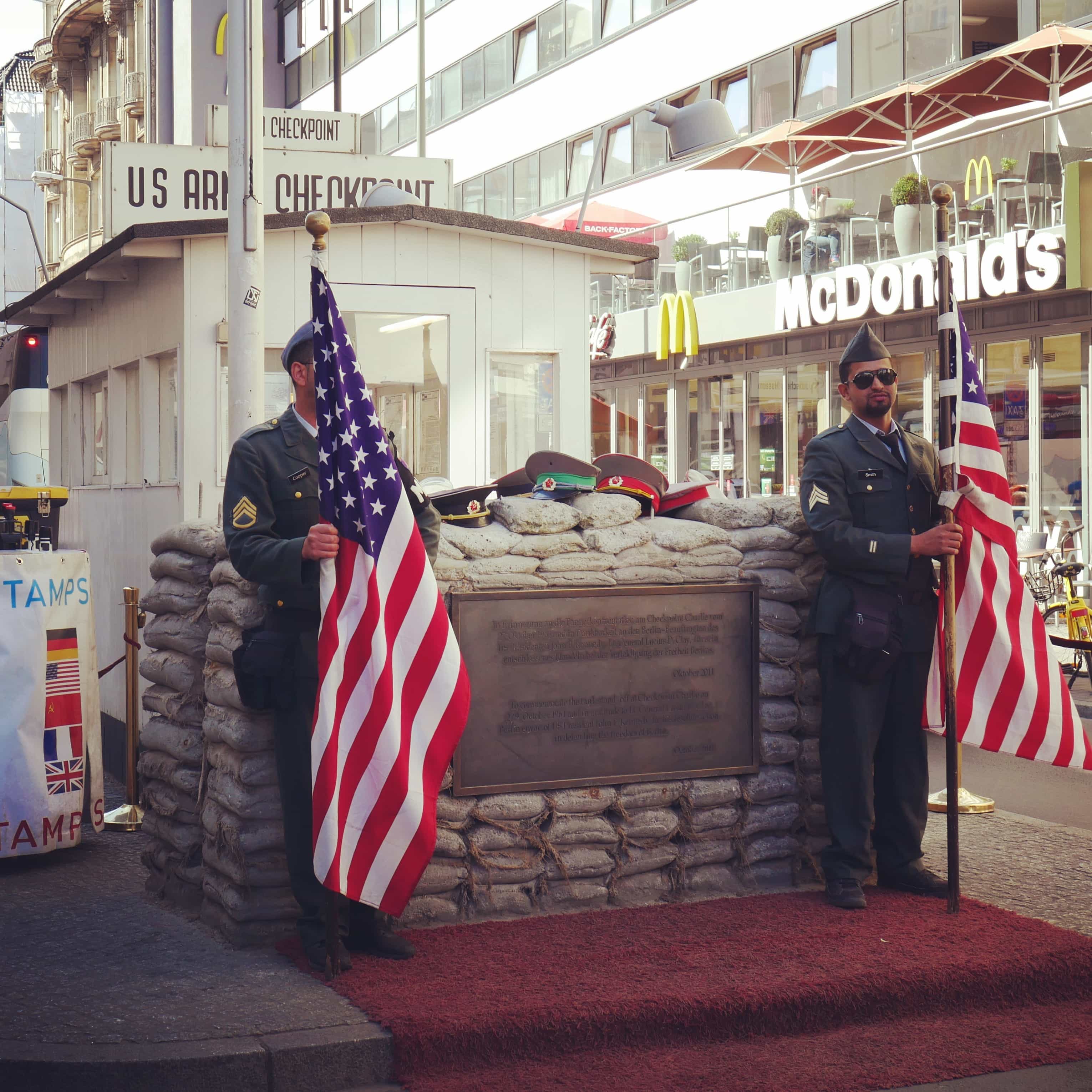
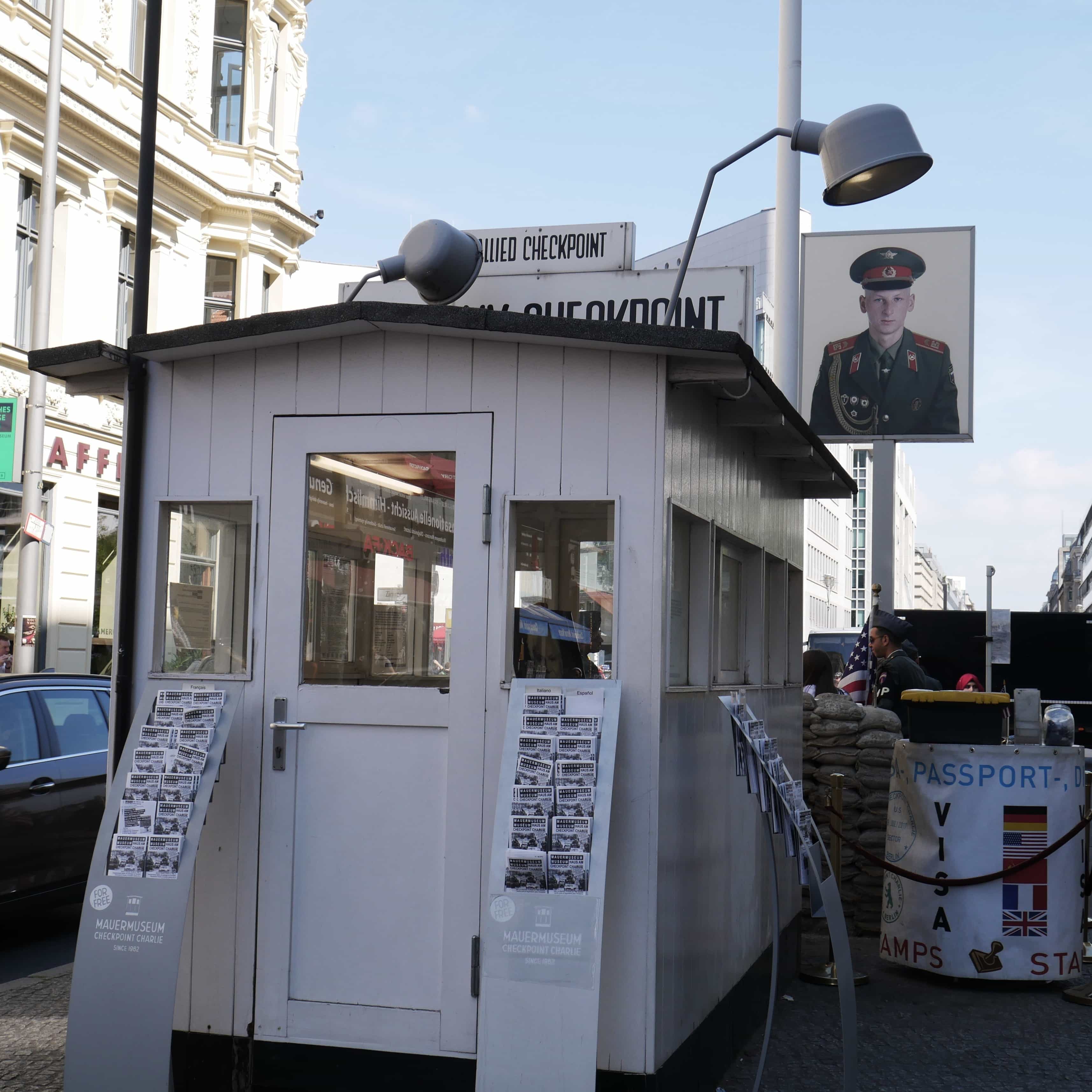
We walked from the Ampelmann store in Gendermenmarkt Square to Checkpoint Charlie. This took us just short of 10 minutes. Checkpoint Charlie was the border control point of the Berlin Wall. During the Cold War (1947 – 1991), this was the only place where you could get through the wall between Eastern and Western Germany. Today you can pay to get your photo taken at the border control and pay to get your passport stamped.
Topography of Terror
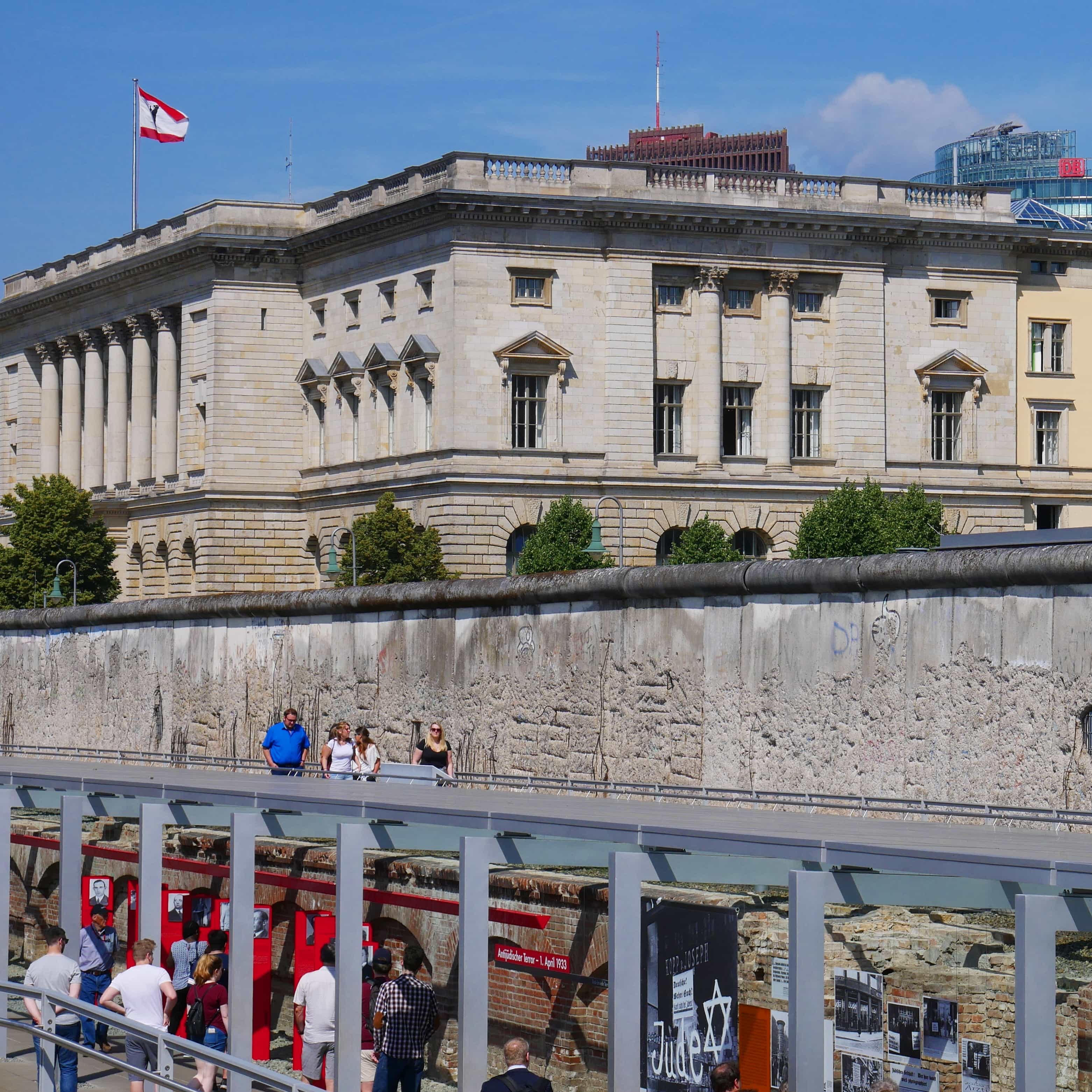
After a 5-minute walk from Checkpoint Charlie, we arrived at the Topography of Terror. The Topography of Terror is an indoor and outdoor history museum about Berlin. The outdoor part is located on a preserved section of the Berlin Wall. There is a lot to read and see, therefore, I would recommend a couple of hours here if you have time. We only visited the outdoor part, as we were very short for time.
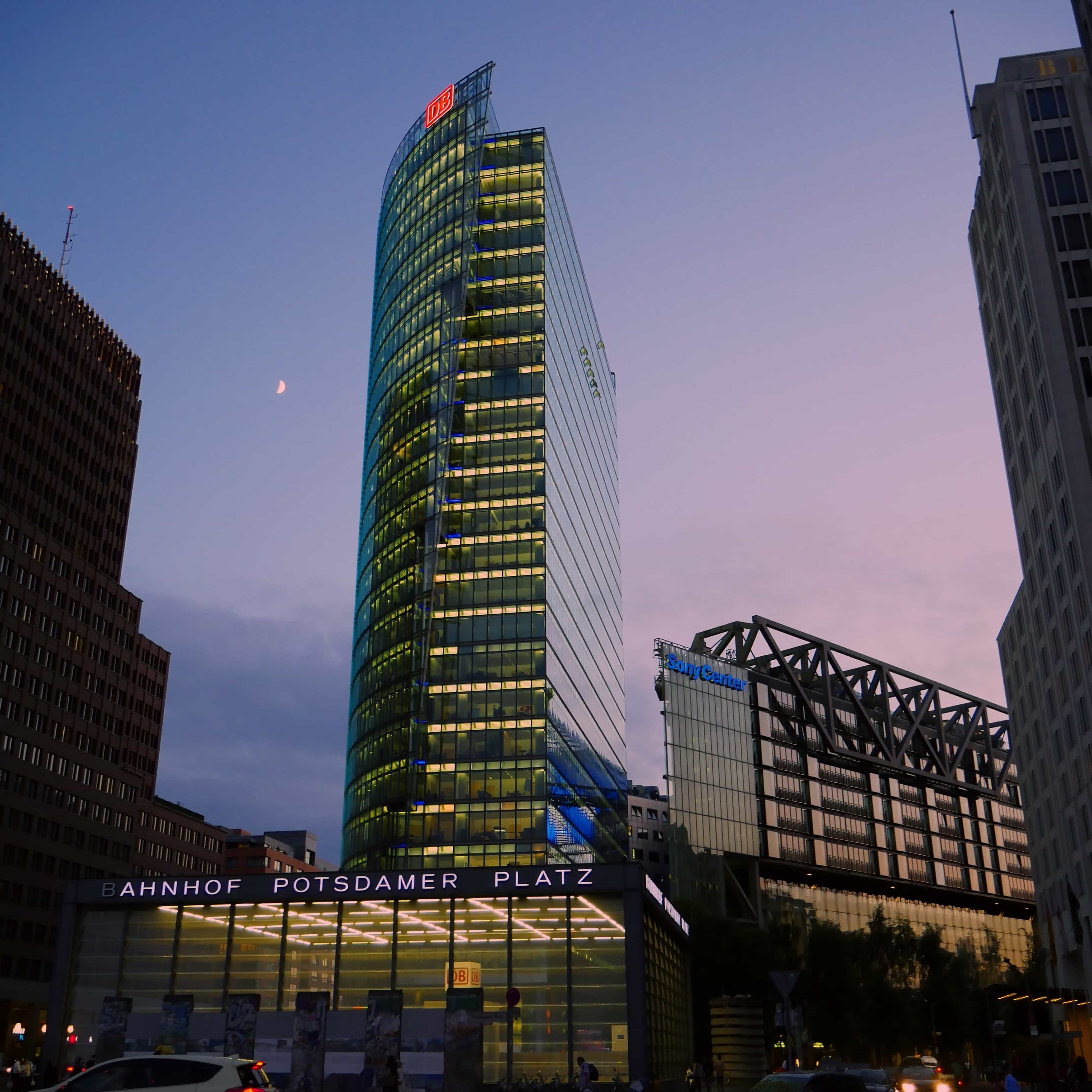
Potsdamer Platz
We chose to walk from the Topography of Terror to Potsdamer Platz, taking just over 10 minutes to walk. Potsdamer Platz was an empty, run-down area until 1991 when it received a full facelift making the great place as we see it today. Today, Potsdamer is famous for many things. One of the things, which is famous for, is the first-ever set of traffic lights in Europe. They were originally installed here in 1924. Today you can see a replica of them.
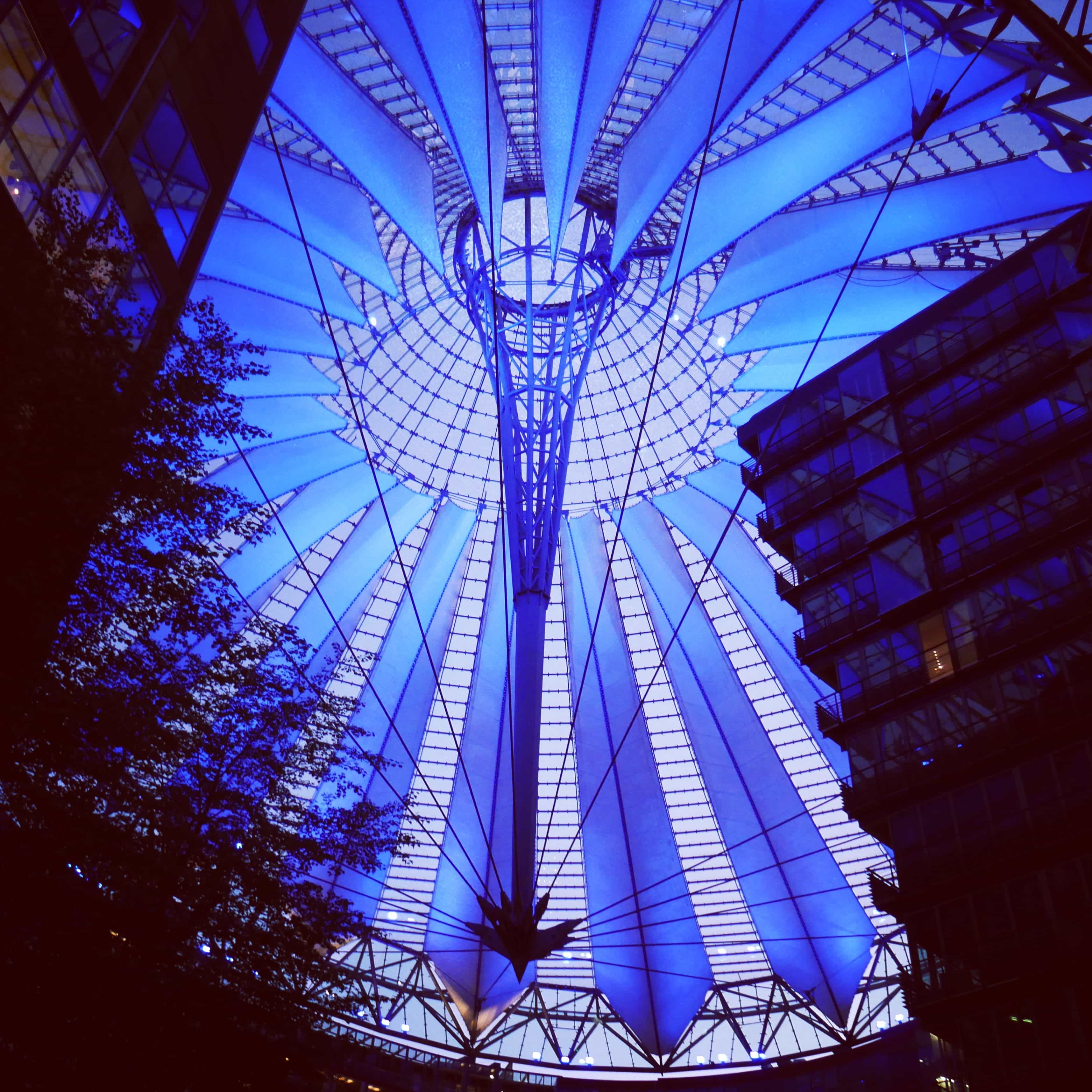
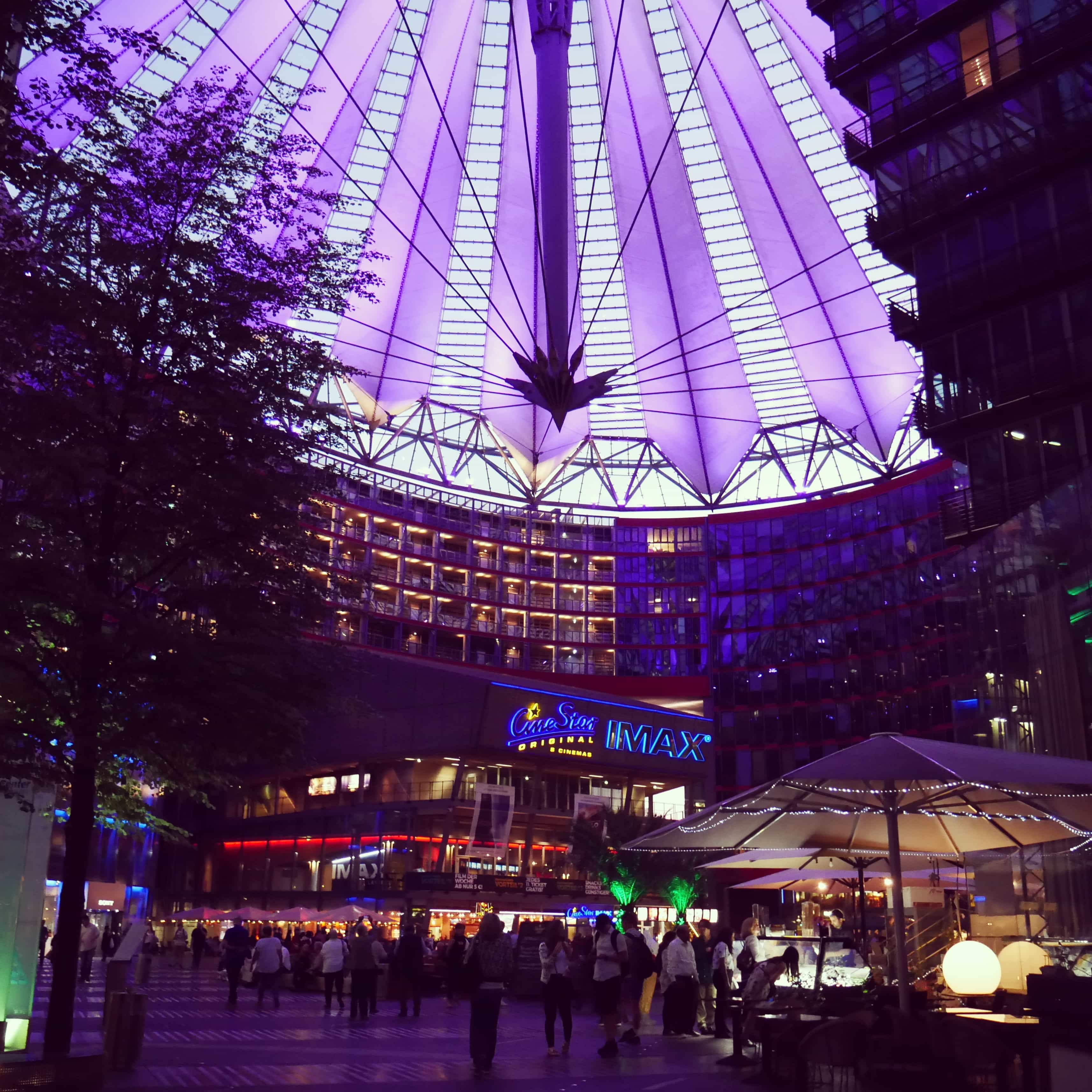
The large Sony Centre located in the middle of the square is a modern designed building full of cinemas, restaurants, and cafes. It holds the annual Berlin Film Festival. Alex and I enjoyed a lovely sandwich and coffee in a little cafe inside the Sony Centre called, ‘We Love Coffee’.
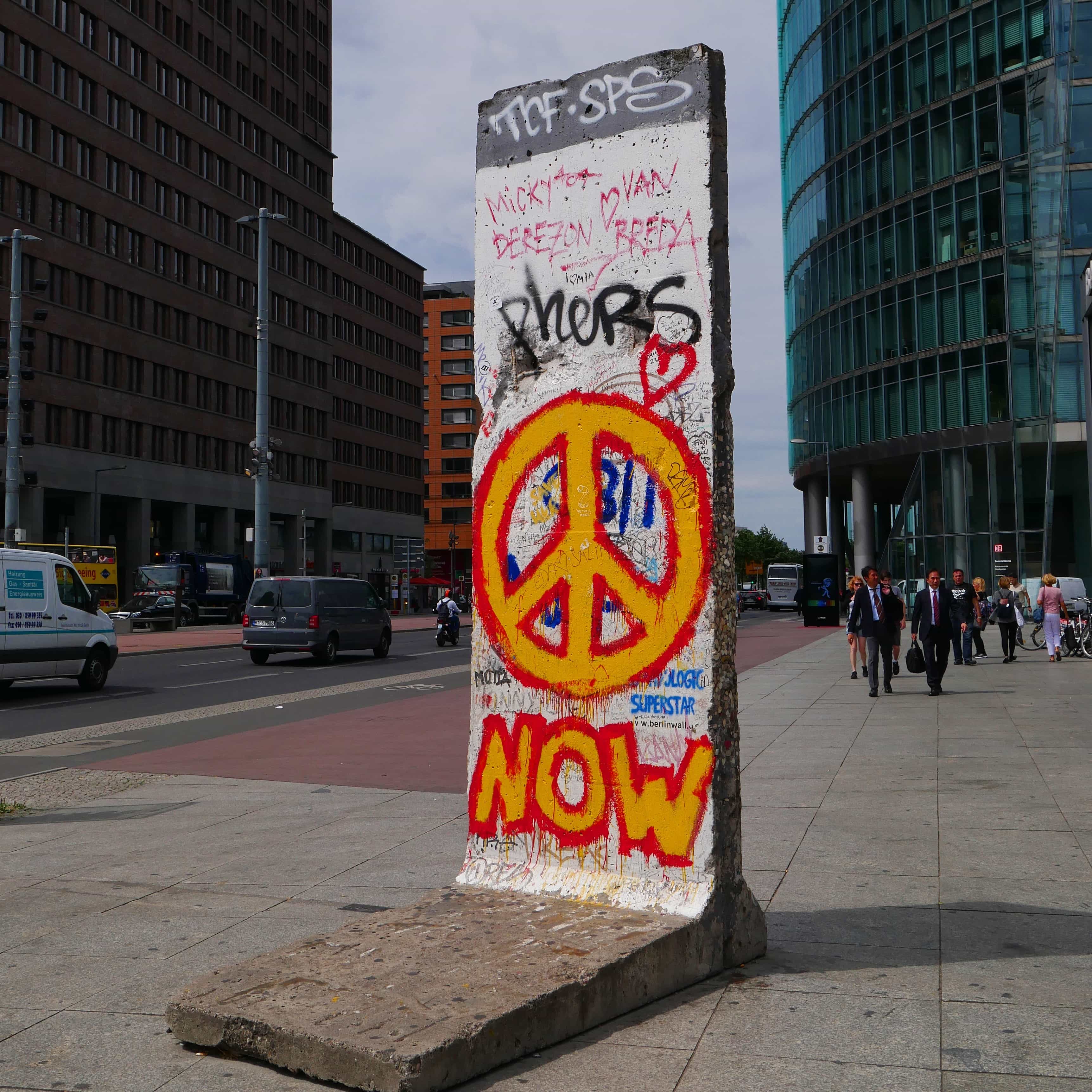
At Potsdamer Platz, there is a small remainder of the Berlin wall to see. During the Cold War, the wall ran right through the square. You can visit this part of the wall in front of the Sony Centre, near the train station.

Holocaust Memorial
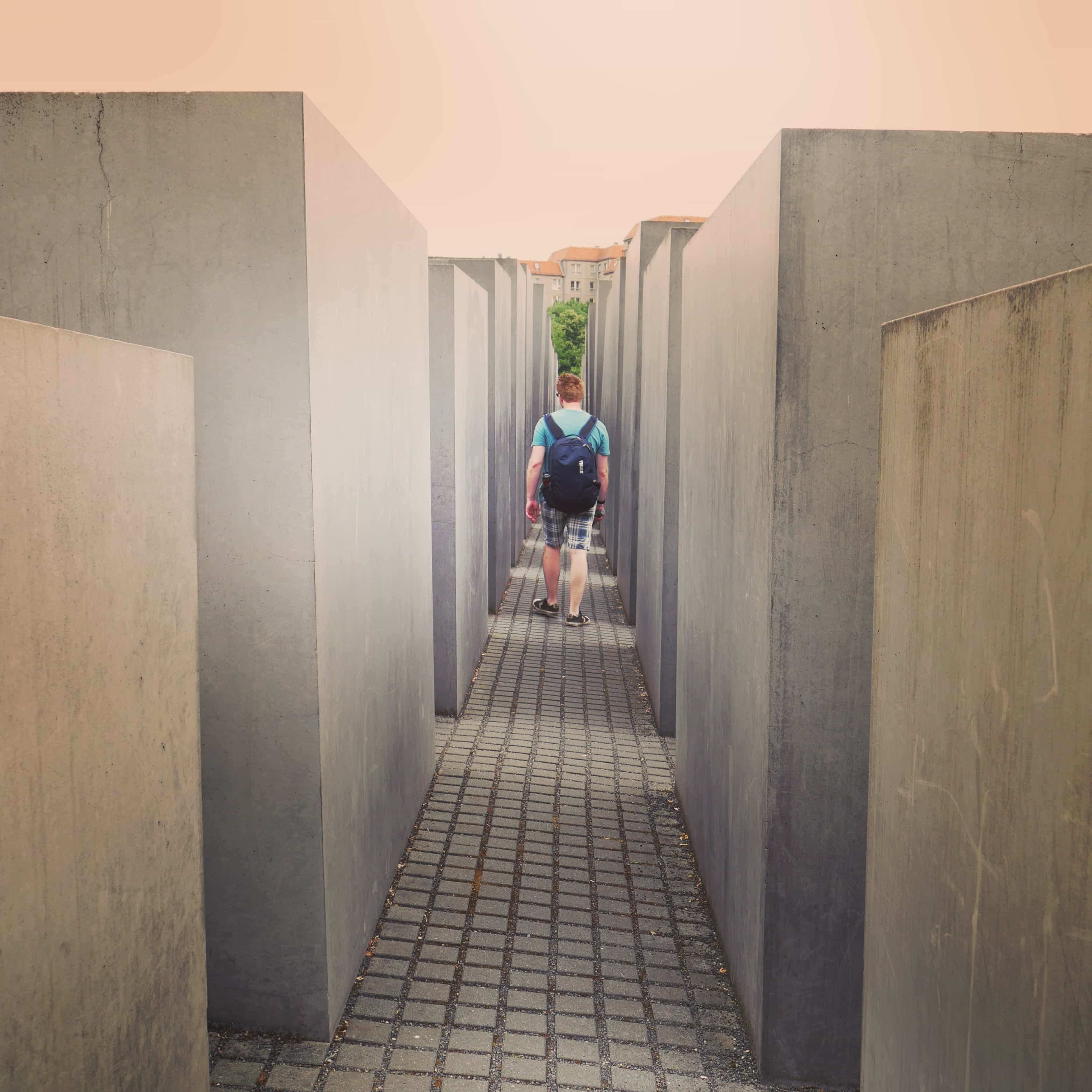
We took a short 10-minute walk from Potsdamer Platz to the Holocaust Memorial, located just outside of the Tiergarten, Germany’s largest urban park. The Holocaust Memorial is to honor all the Jews that were murdered in Europe during World War II. The Holocaust Memorial consists of 54 and 87 rows, which is 2,711 concrete slabs in total. Underneath the large columns is a ‘place of information’. It holds approximately 3 million Jewish Holocaust Memorials.


Brandenburg Gate
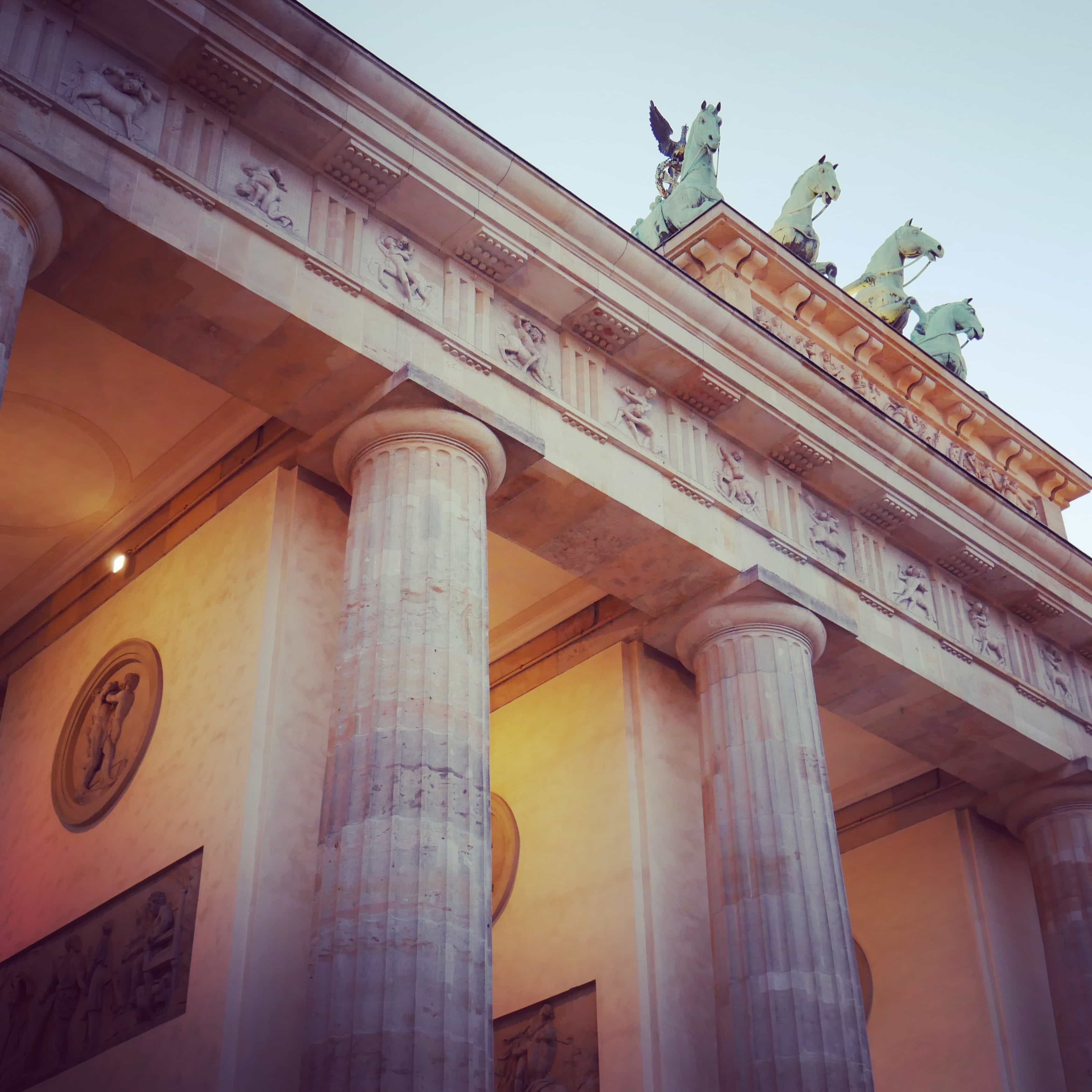
The Brandenburg Gate was a short 7-minute walk from the Holocaust Memorial. It is one of Berlin’s most famous landmarks. It was a symbol of division during the Cold War, but now it is the symbol of peace and unity. During the Cold War, the gate remained shut, separating East Germany from the West. On 22nd December 1989, the gate opened its doors, allowing people to pass from one side to the other. It became a border crossing. Over 100,000 came to see the gate get opened. Unfortunately, this caused damage to the gate. Therefore, in the early 2000s, the gate was renovated. Now the gate is one of the most visited sights in the whole of Berlin by millions of tourists each year.


Tiergarten
Tiergarten is Germany’s largest urban park, covering a massive 210 hectares! It’s the place where Berliners like to go to have picnics, roller skate, go for walks and bike rides. The park was heavily damaged during World Way II, especially in the final year of the war, when a lot of fierce fighting took place. Straight after the war, there was a major shortage of coal. Therefore, the trees were chopped down to use for fuel. Luckily in 1949, 4 years after the war had ended, the park received lots of kind donations and the trees were replanted, making it the lovely green forest park it is today. As you walk around the park you can see lots of memorials reminding you of the history that took place at Tiergarten.
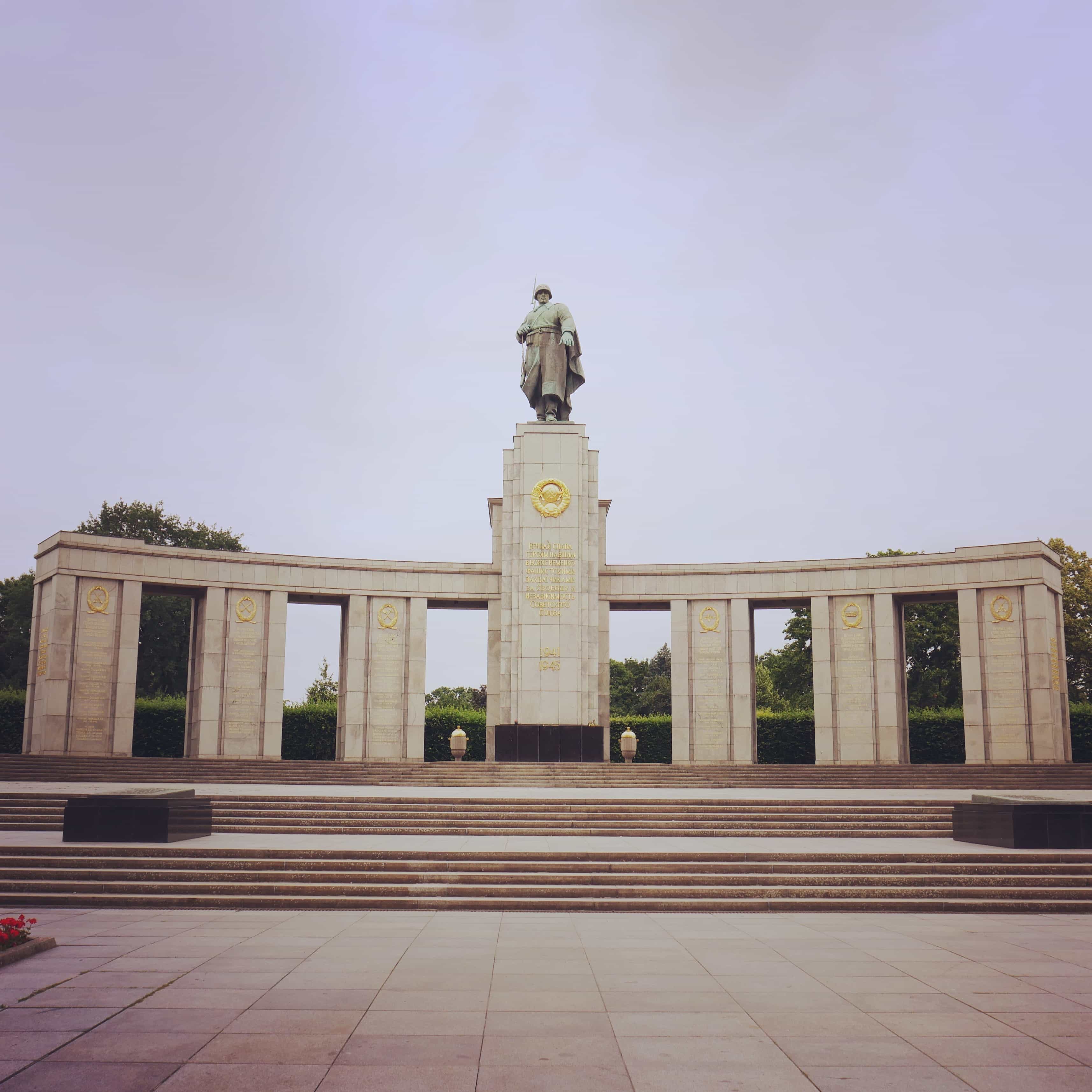
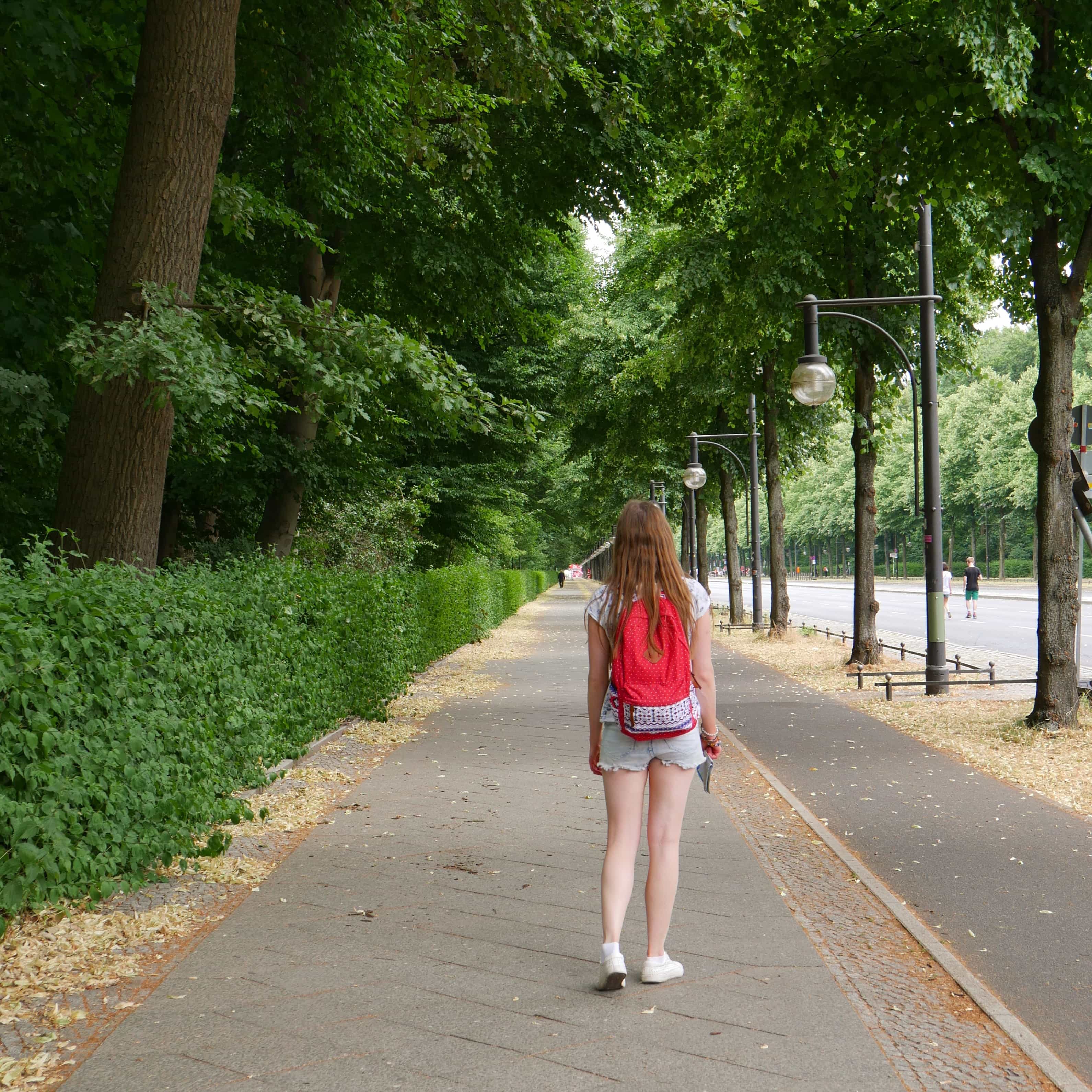
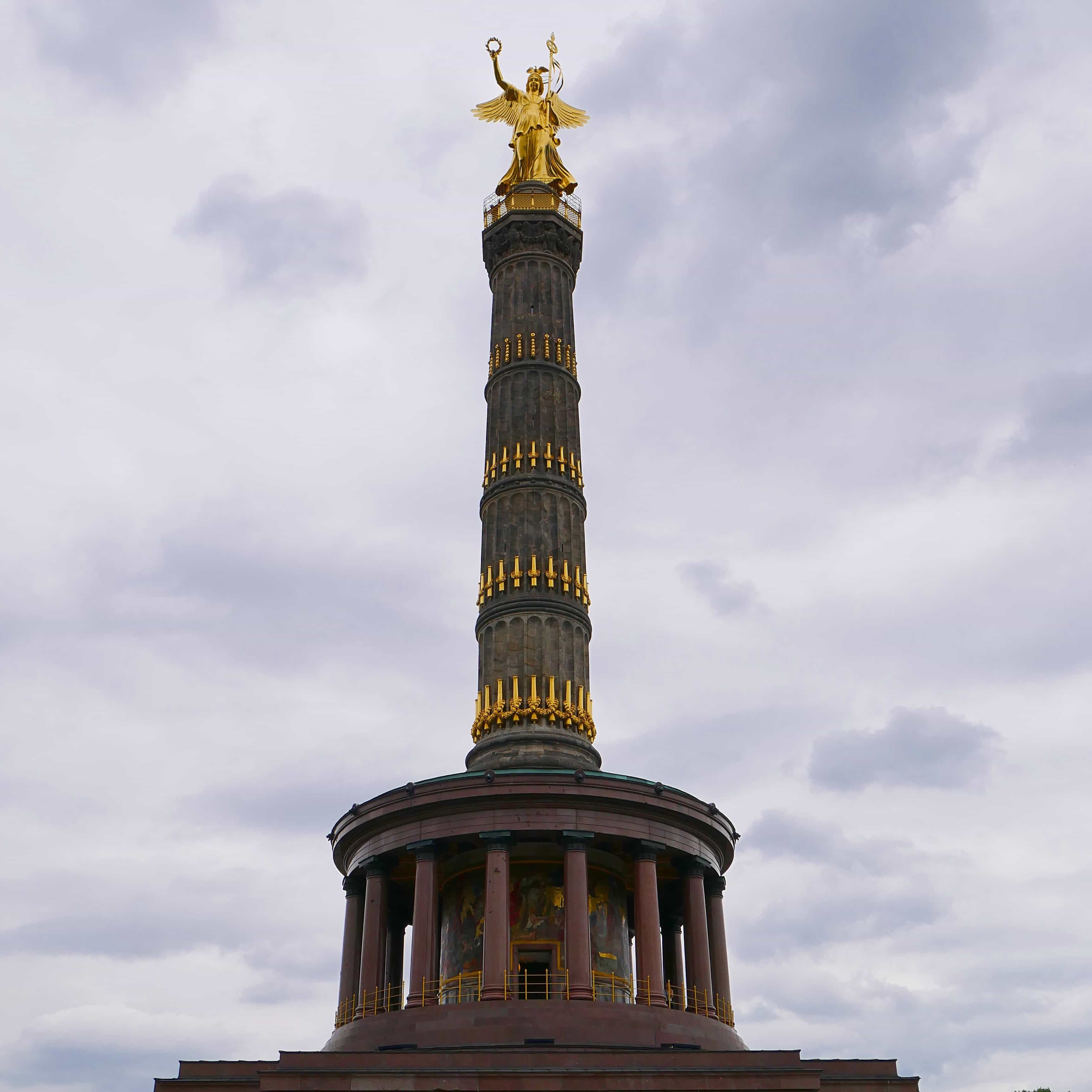
With the park being as large as it is and with us only having a day in Berlin, we, unfortunately, did not have time to walk around it all. We decided to walk along the long stretch of road from the Brandenburg Gate to the Victory Column, which is located in the centre of a very busy roundabout. This took us just under 30 minutes to walk, passing the Soviet War Memorial. A memorial to more than 2000 Red Army Soldiers. You can pay to get up the Victory Column. We didn’t bother, as we were short of time.

Reichstag
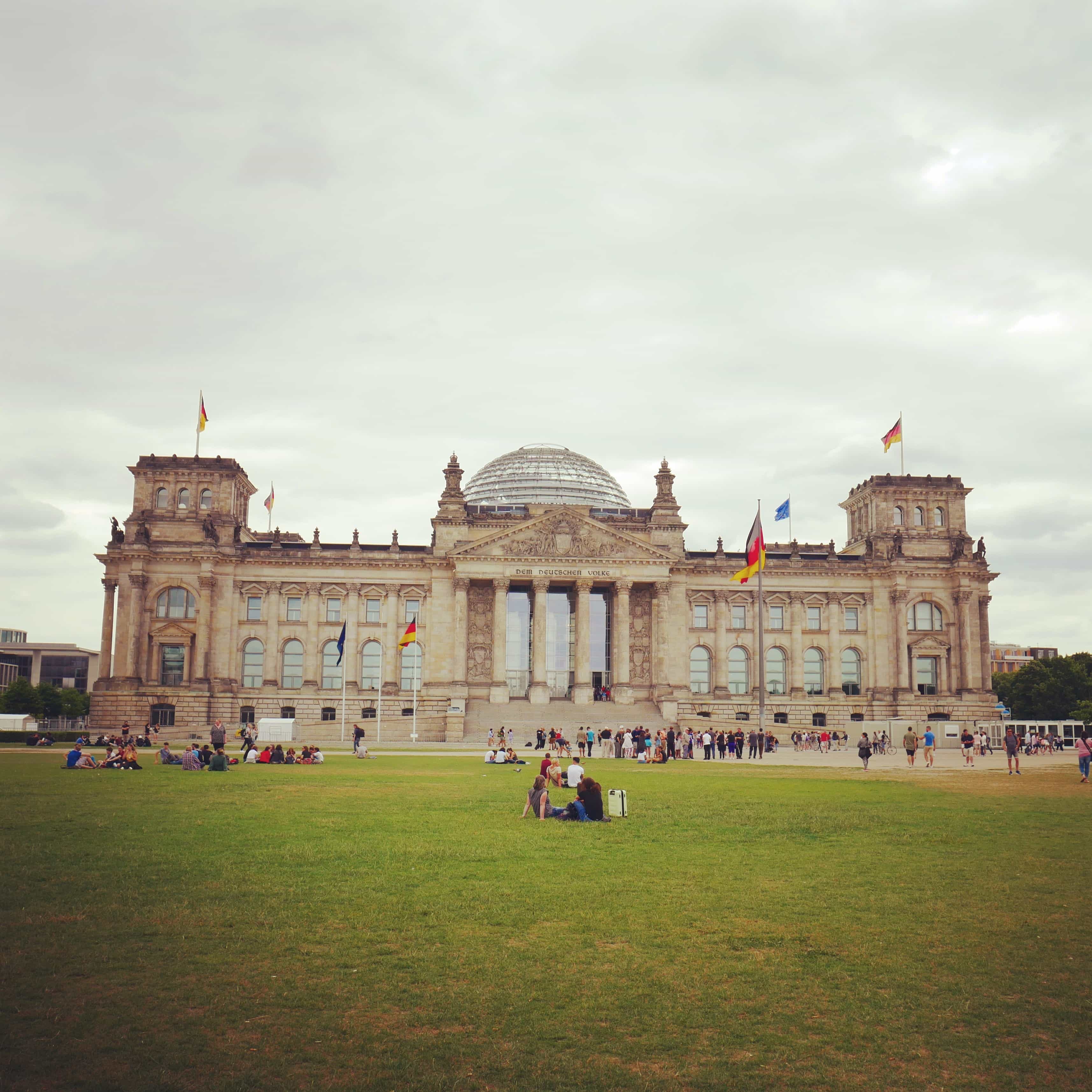
The Reichstag is a government building located just outside of Tiergarten, near the Brandenburg Gate. After walking for nearly 30 minutes to the Victory Column in Tiergarten, we decided to hop on a bus using our 24-hour transport ticket. It took us a short 10-minute bus journey, allowing us to rest our feet a little.
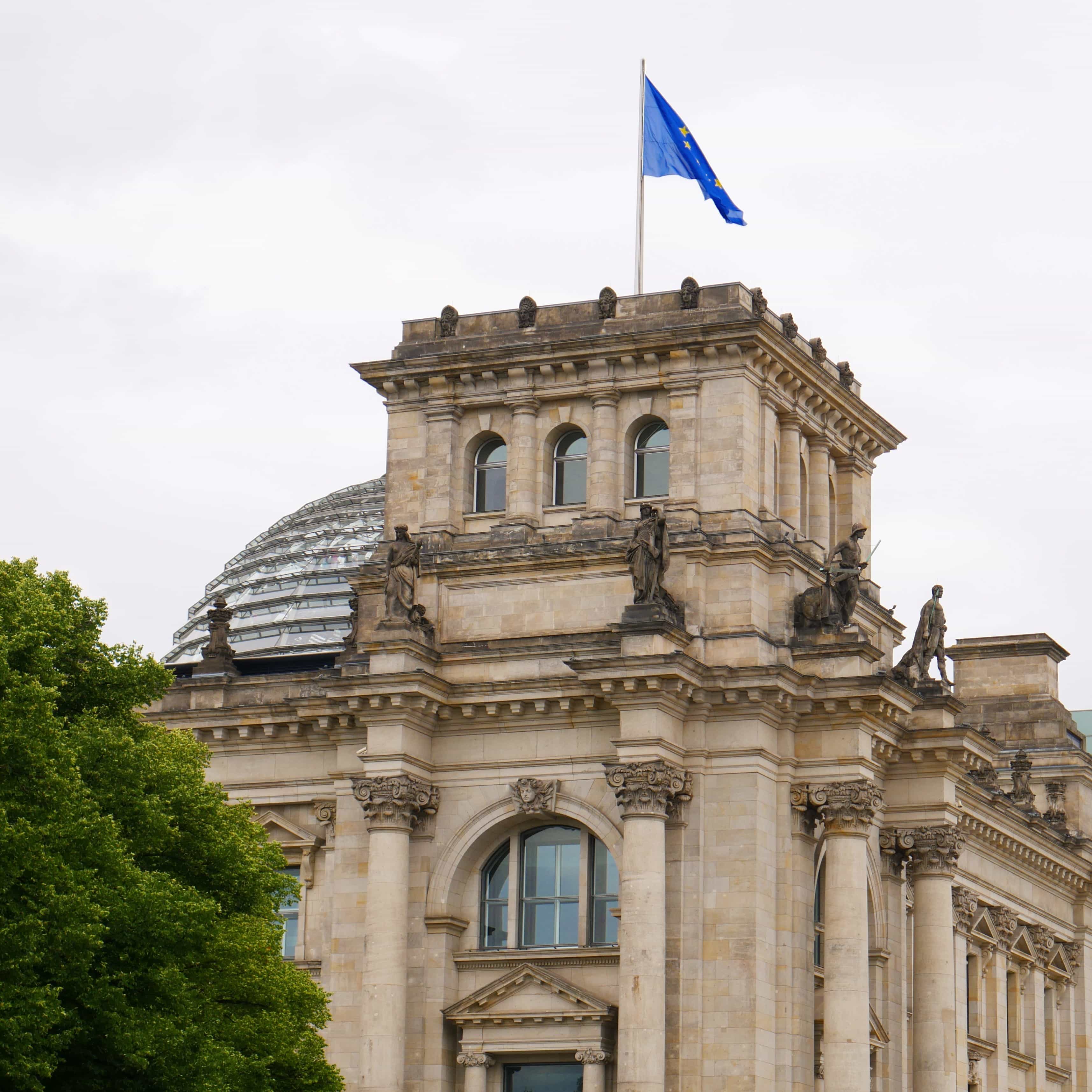
The Reichstag was built in 1894 and became home to the parliament. Unfortunately, in 1933, the Reichstag got badly damaged due to a fire caused by an arson attack, one month after Hitler became in power. In 1945, it became a target for the Red Army due to the perceived propaganda value. Due to this, the parliament decided to move to Bonn, the capital of West Germany at the time during the Cold War. In the meantime, the Reichstag reminded in ruins until 1961 when they started to restore it. In 1989, it became a permanent exhibition called, ‘Questions about German History’ and was used for the occasional ceremonial use. In 1990, the Reichstag became the official site of the reunification ceremony. By 1991, after a year of intense debates, a decision was made. It would become home once again of the German National Parliament. By 1999, the building had finished its restoration and redesign. On the 19th of April 1999, the German government convenes at the Reichstag.
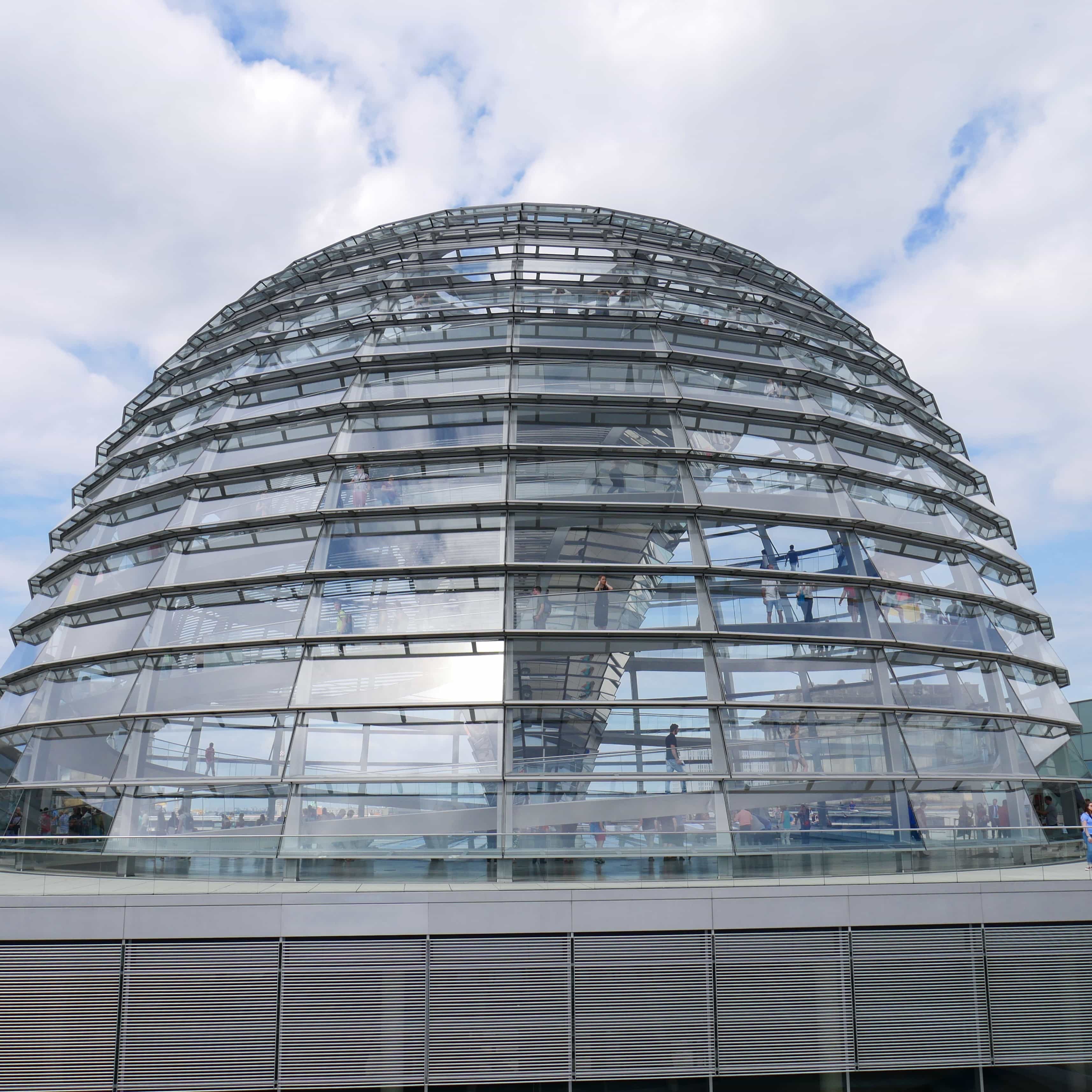
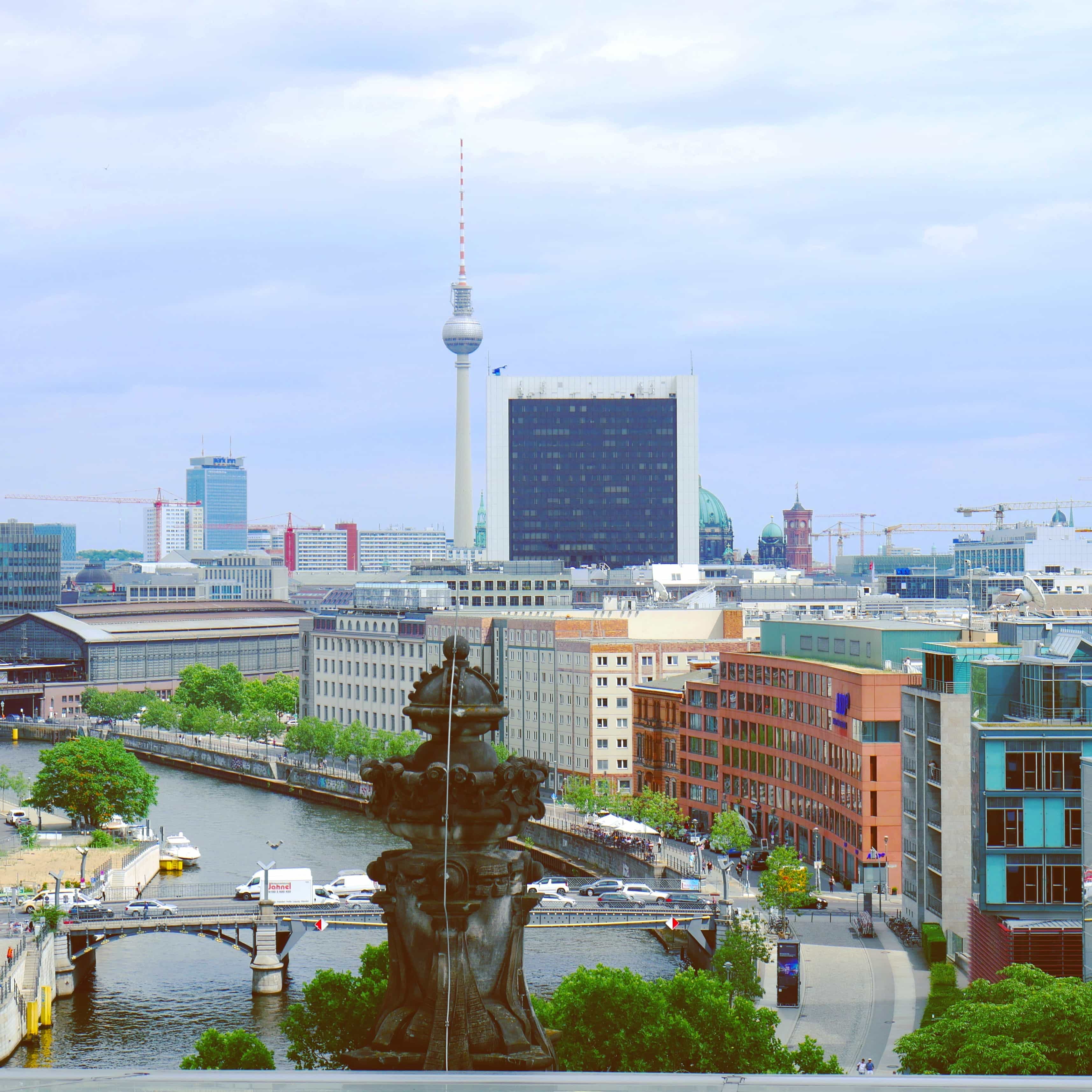
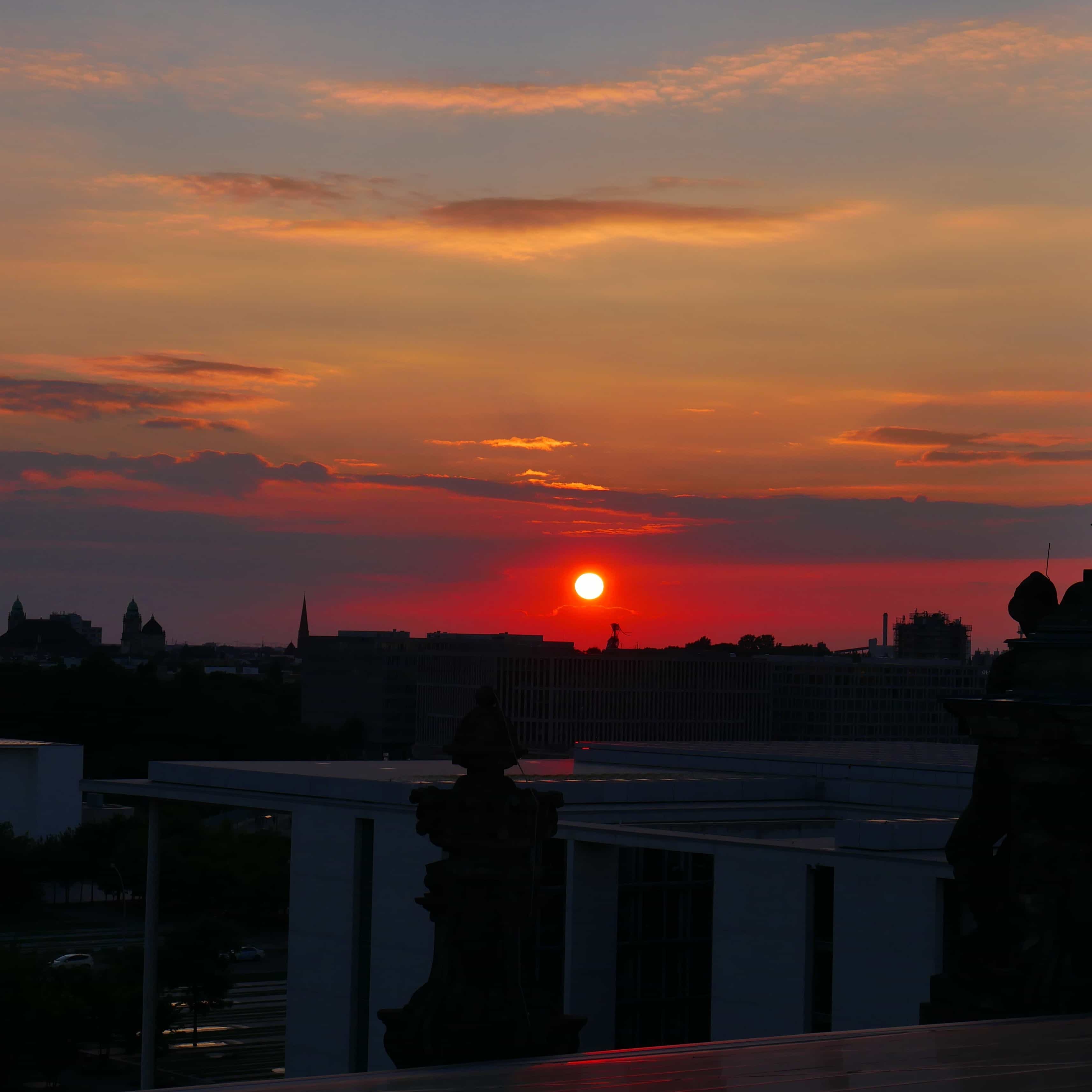
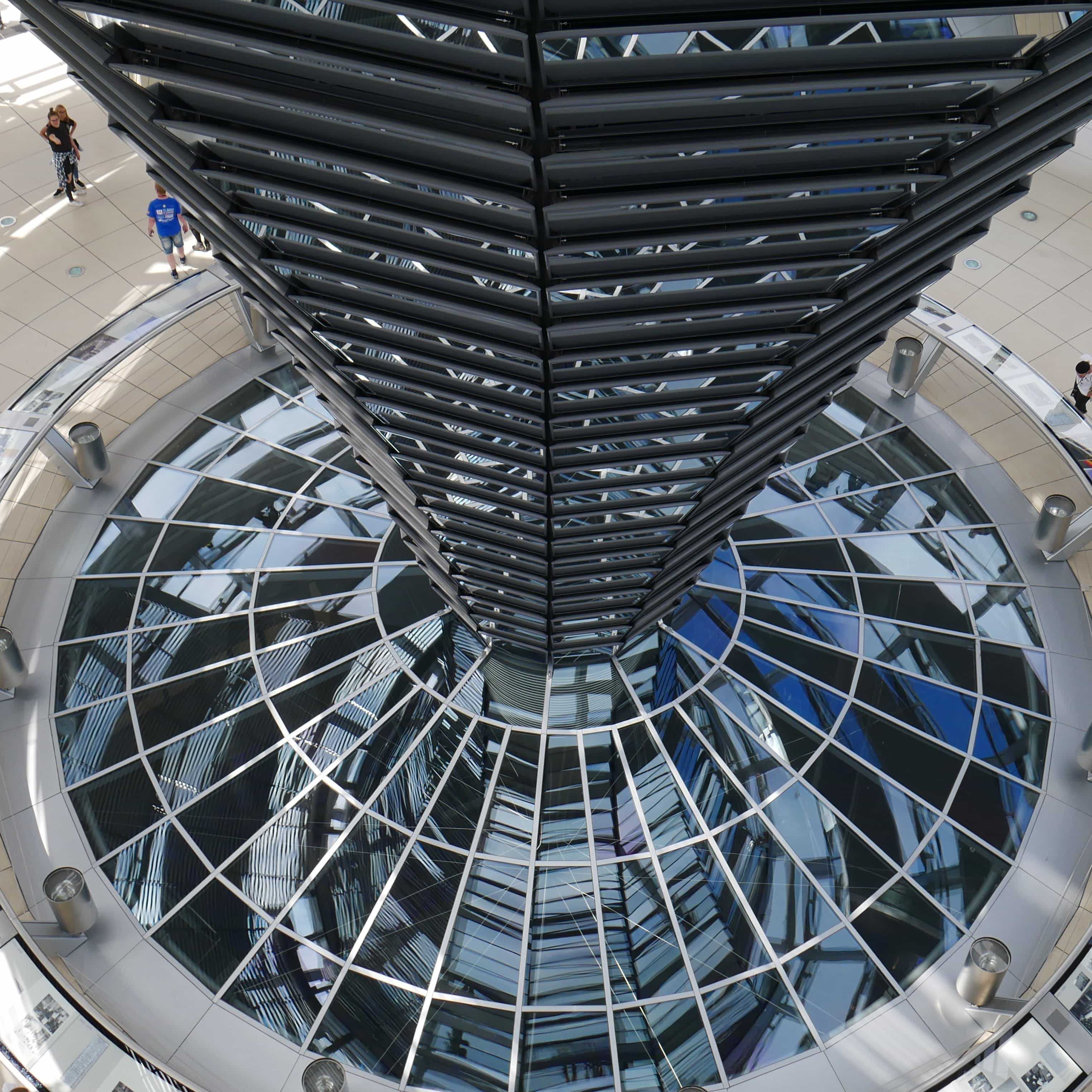
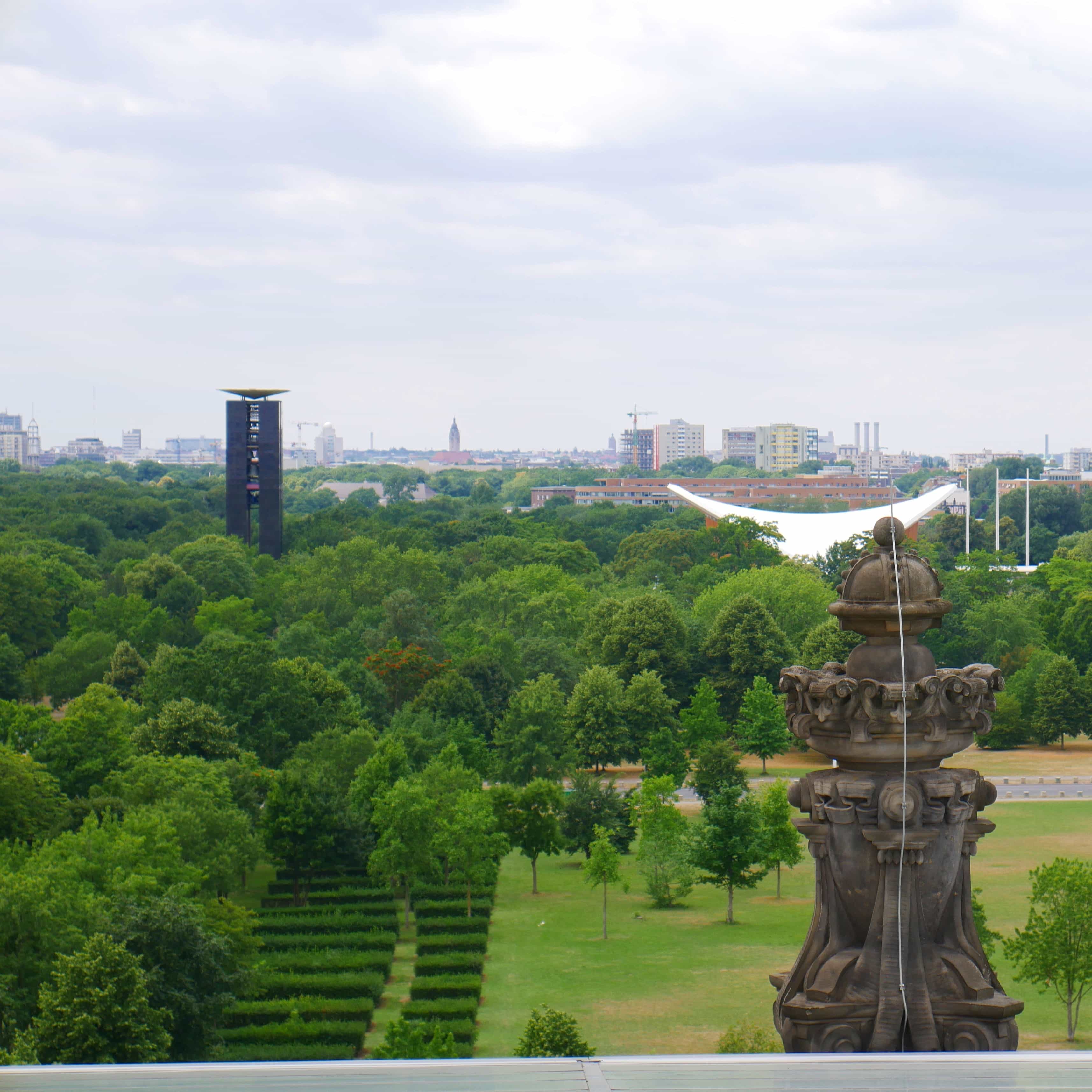
You can go up to the dome in the Reichstag for free. However, you still need a ticket to get in despite it being free. You have to apply for this entrance ticket in advance. I highly recommend it! I booked a day slot and an evening slot. We pre-booked two slots so we could go up the Reichstag twice to see the skyline of Berlin in the day as well as at night. I recommend booking one of your slots at the time the sun is setting as we experienced fantastic sunset views of West Berlin. The building itself is a very beautiful building too. You can walk right up to the top of the dome or enjoy a drink and something to eat at the cafe, whilst enjoying the views of Berlin. To book a free viewing slot, here is the website link: Reichstag Viewing Platform.


Museum Island
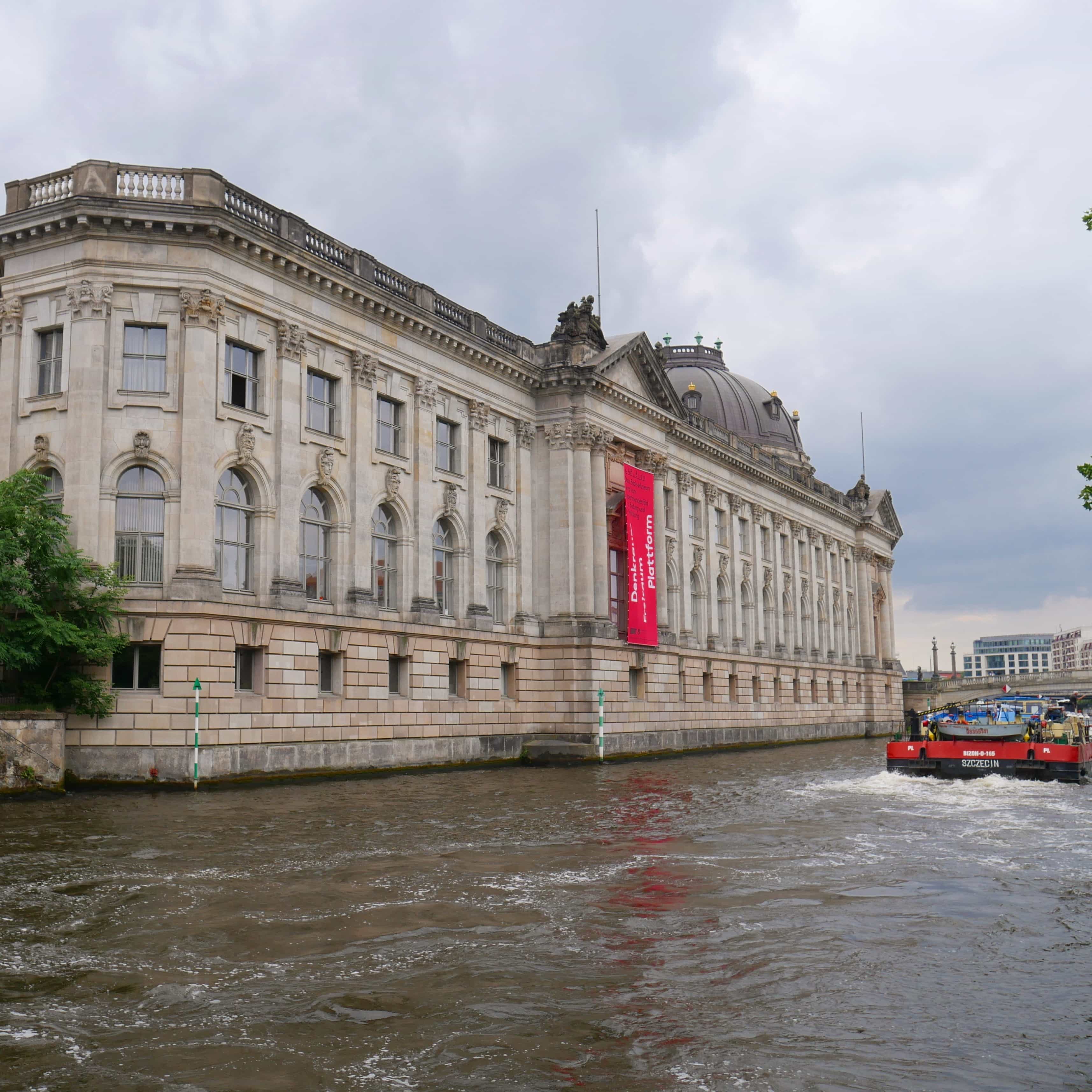
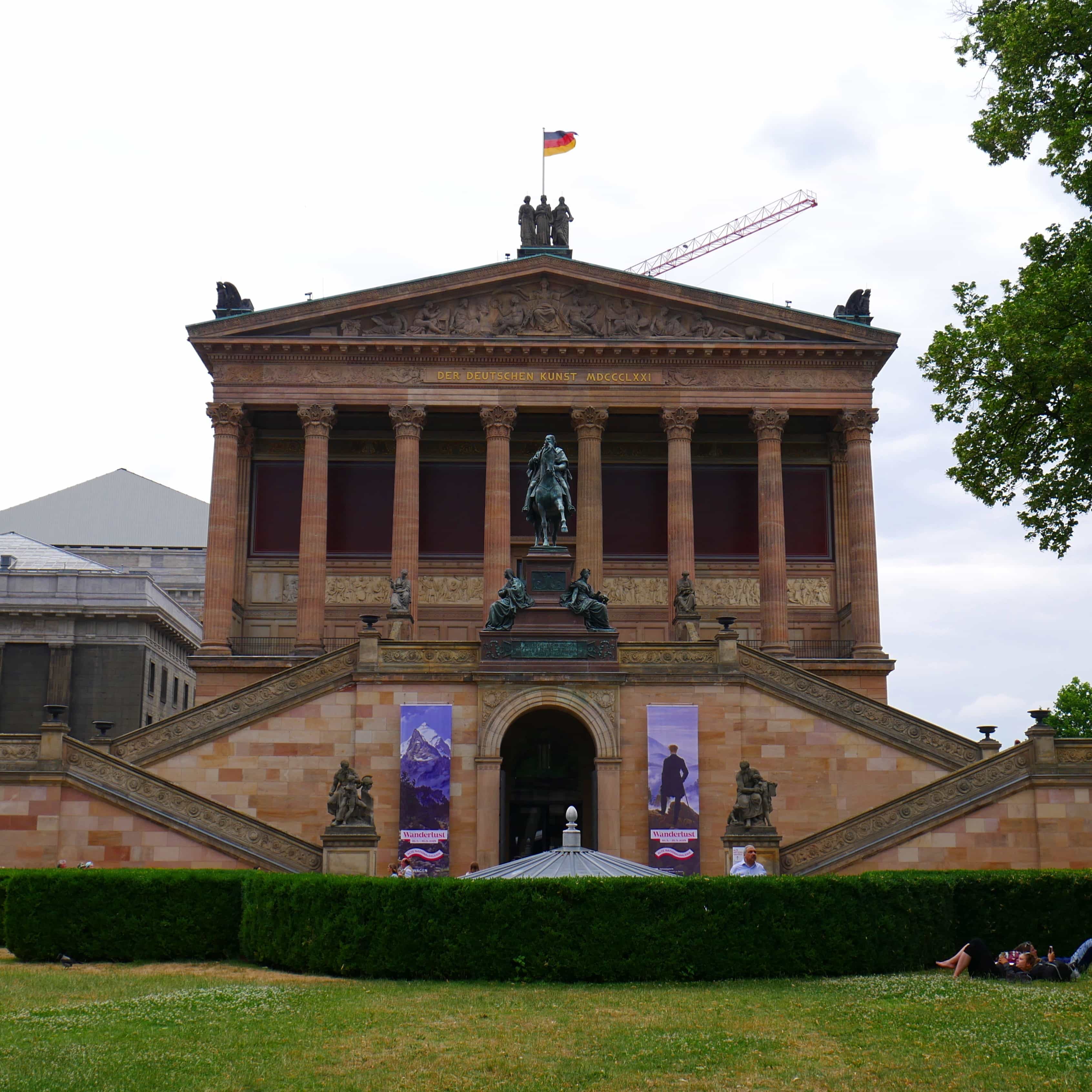
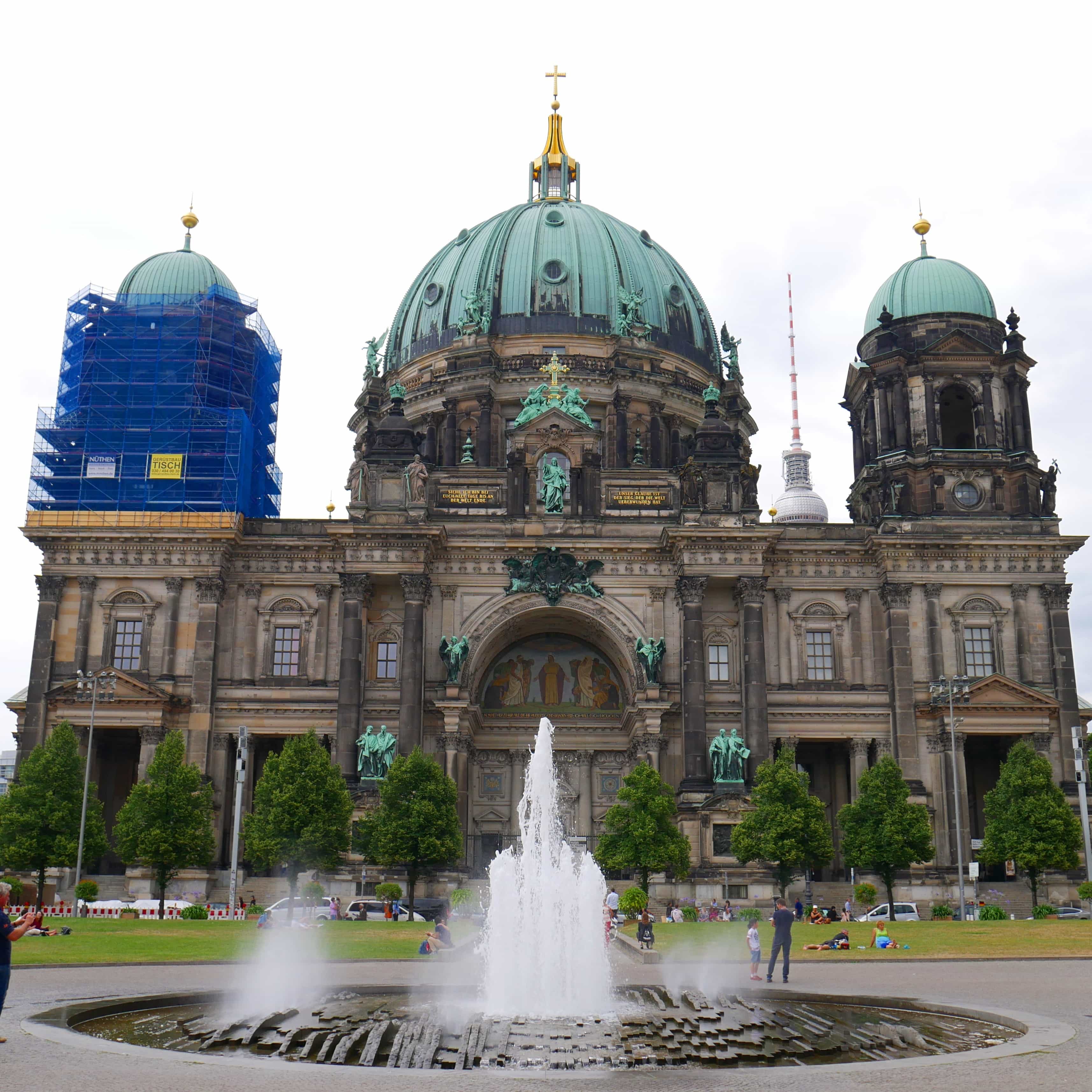
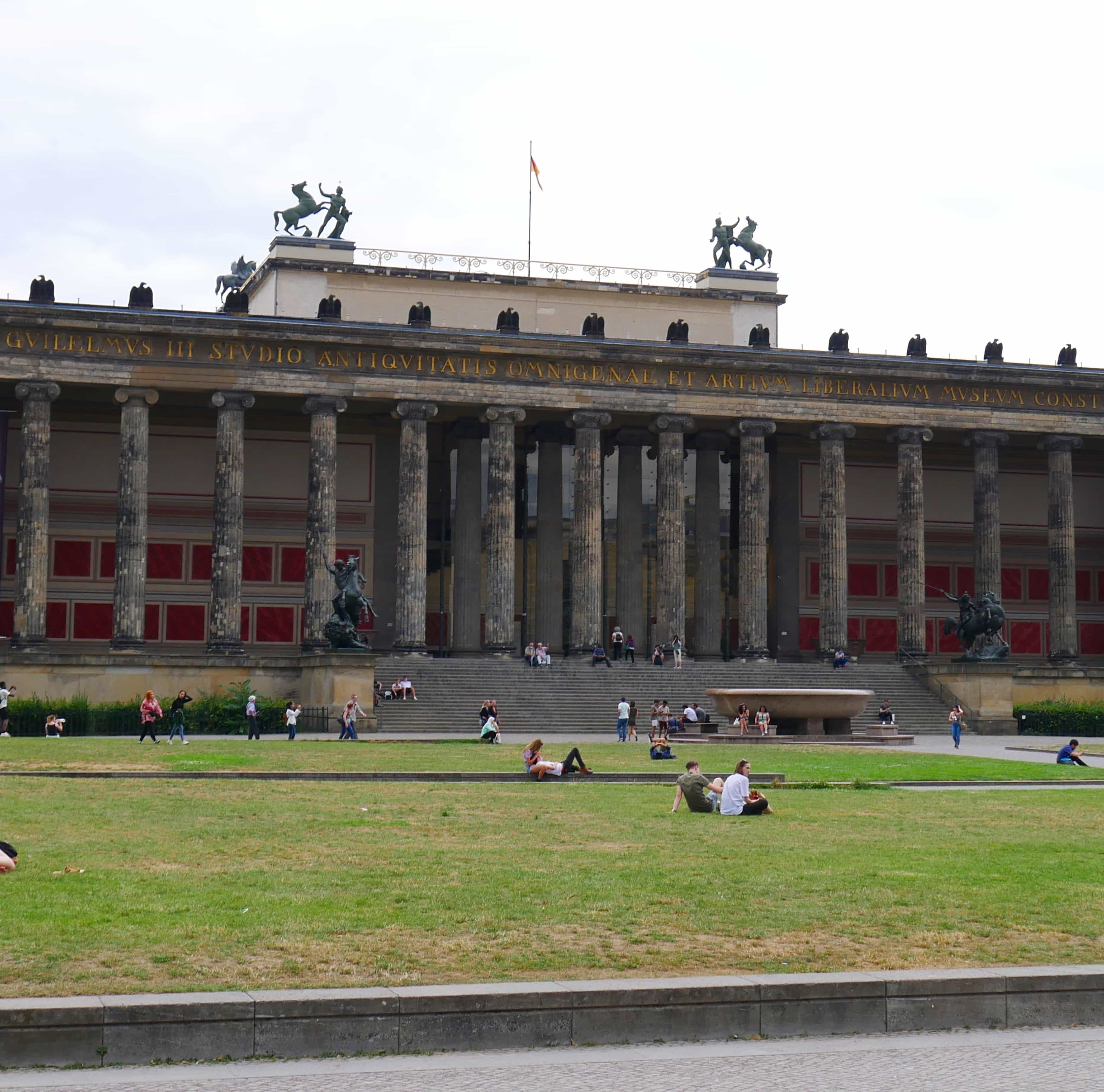
After a 30 minute walk from the Reichstag down the Unter Den Linden, stopping off at a cafe for some coffee and cake, we finally arrived at Museum Island. The Berlin Cathedral and many museums are situated on Museum Island which is located next to the River Spree. Each museum is located in an architecturally beautiful building, each with its own character and charm. Like us, if you are short of time and don’t have time to look inside any of them, I highly recommend you just go see the outside of these beautiful buildings:
- Berlin Cathedral
- Atles Museum
- Bode Museum
- Neues Museum
- Alte Nationalgalerie

Three Girls One Boy Statue
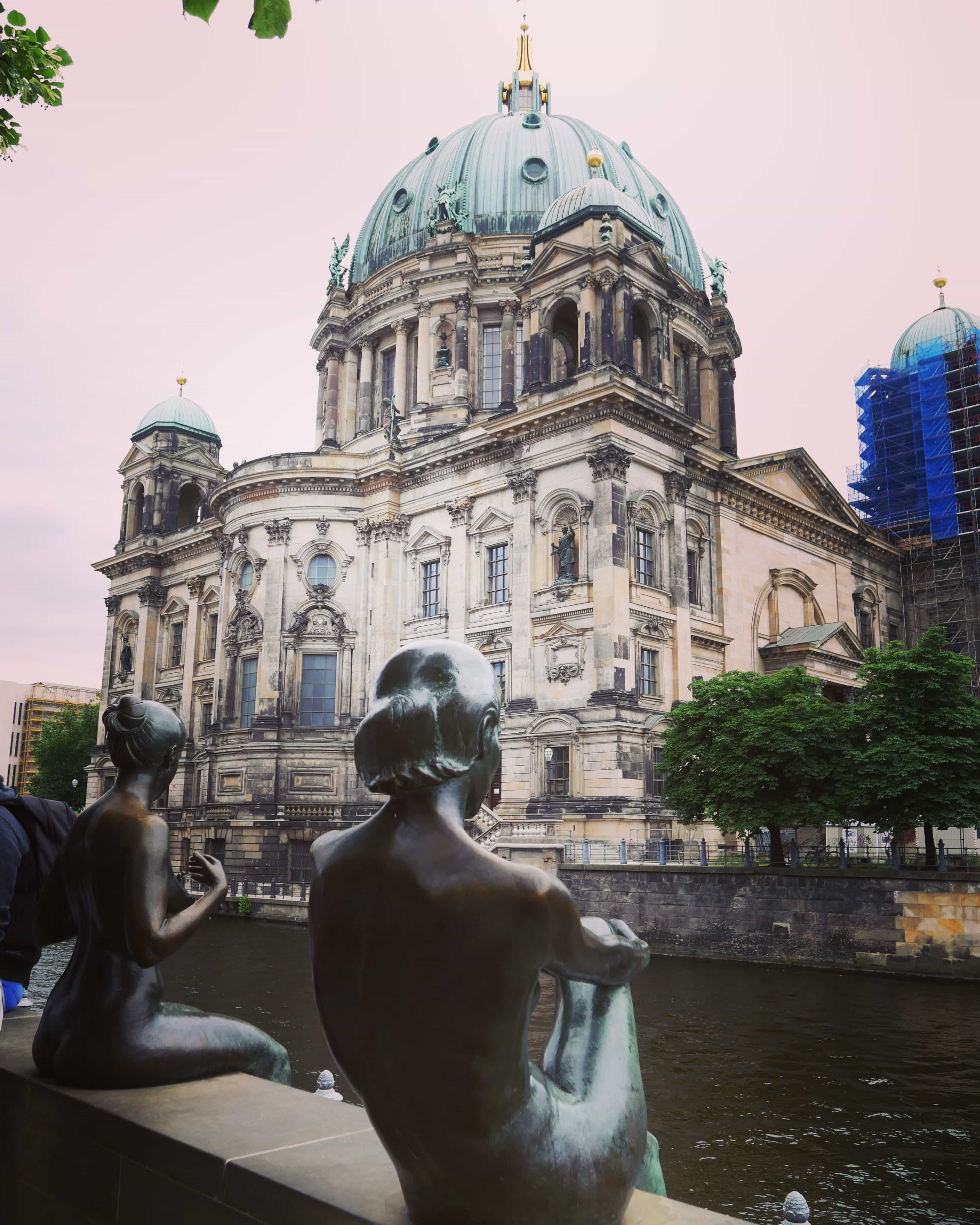
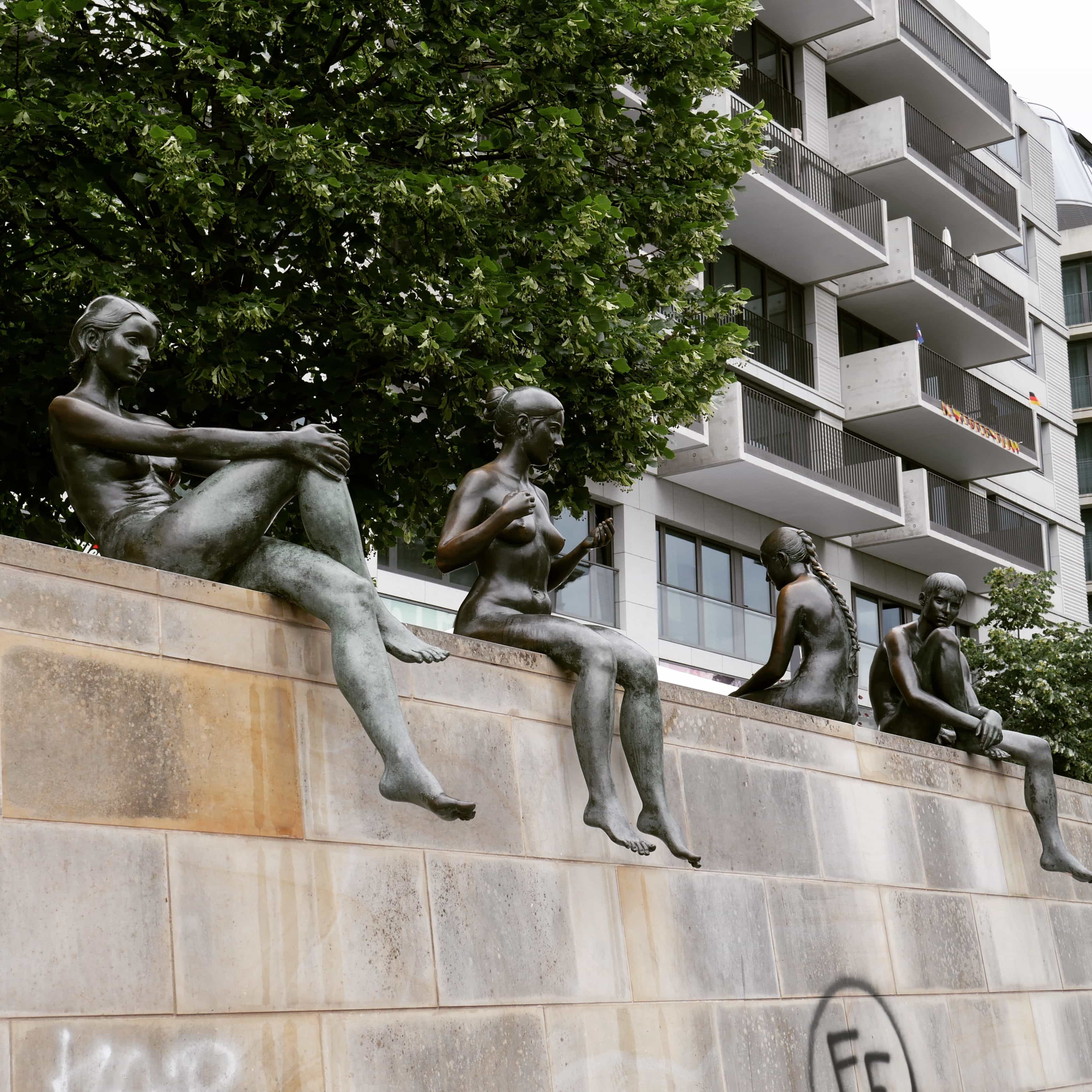
Located on the other side of the River Spree, opposite to the Berlin Cathedral, is a bronze sculpture of three naked girls and one naked boy. Designed and created by Wilfred Fitzenretir in 1988, it was one of my favourite sculptures in Berlin. People believe the three girls and one boy are either watching the boats go by, relaxing in the sun, or waiting to go for a swim.
Alexanderplatz
Alexanderplatz is the biggest and one of the most popular squares in Berlin. The square is full of shops, cinemas, restaurants, cafes, hotels, and home to the famous television tower, which towers above the Berlin skyline. We walked from the three girls and one boy statue to the square, taking us just over 10 minutes to walk. The square had fantastic transport links if you did not want to walk. The trams, S-Bahns, U-Bahns, and buses all go to the square.
Sadly, Alexanderplatz got badly destroyed during World War II. It took until the 1960s before the square took shape again. This was the time when the world clock (Alex-Passagen the Weltzeituhr), the Fountain of International Friendship (the Brunnen der Volkerfreundschaft), and the television tower (the Fernsehturm) all were built. The square was fully completed by 1971 and became the venue for many large events such as the 25th anniversary of the GDR (The German Democratic Republic).


East Side Gallery
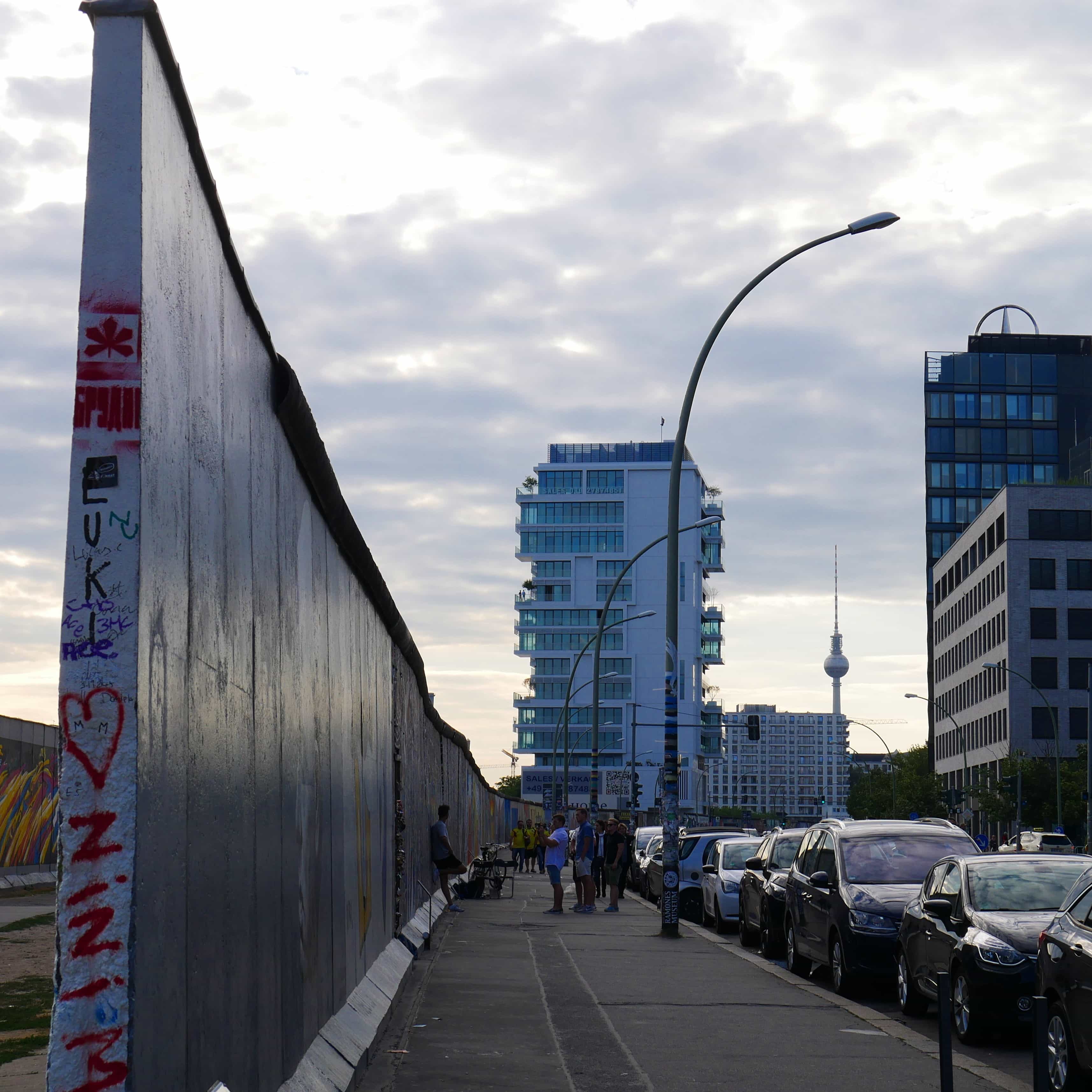
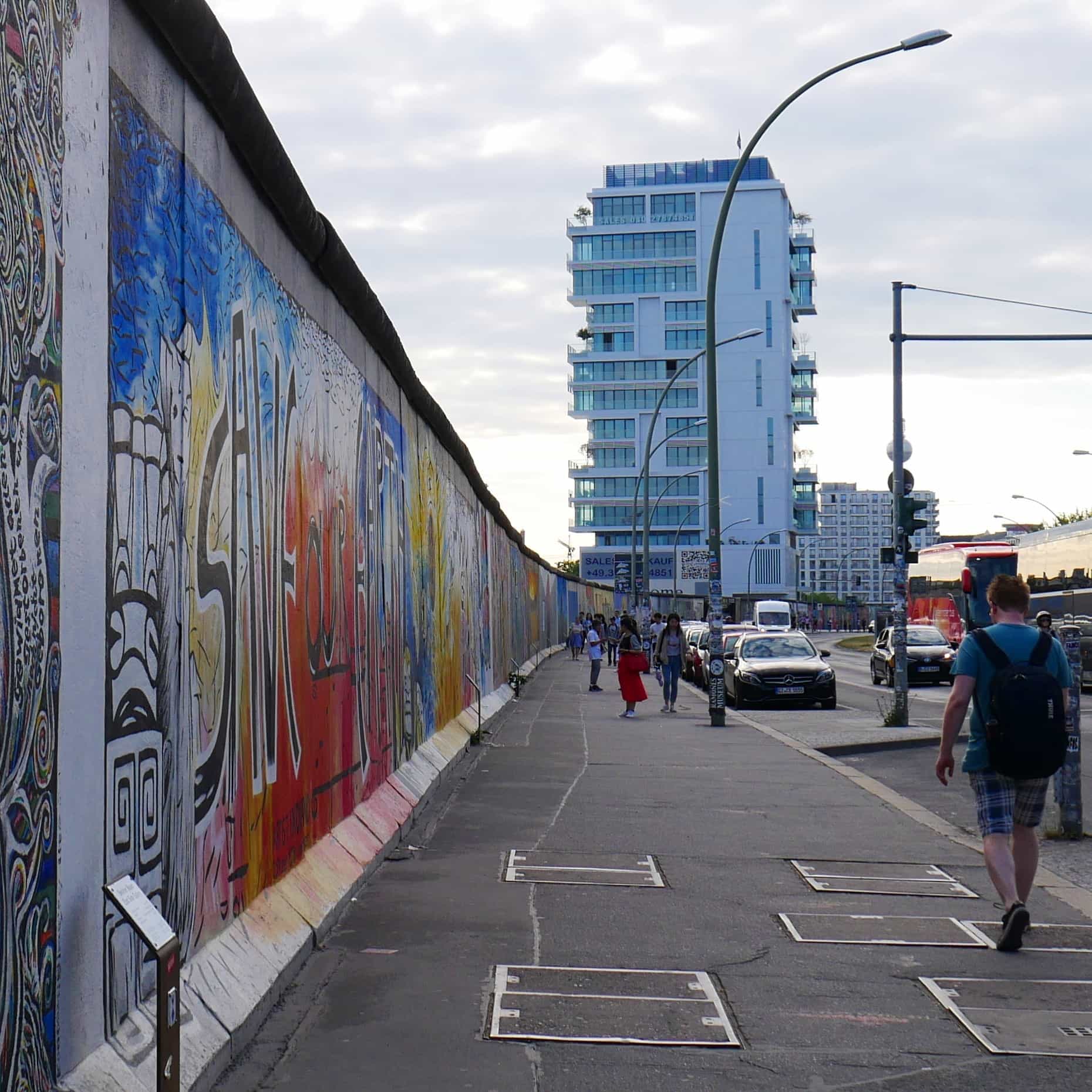
East Side Gallery is the reminds of the Berlin Wall and the longest open-air gallery in the world. It is 1316 meters long and is located along the banks of the River Spree. Since it was a 30-minute walk from Alexanderplatz, we decided to hop on the S-Bahn to give our feet a little rest.
In 1989, the Berlin Wall (a wall that divided East and West Germany) was knocked down. Immediately after, 118 artists came from 21 different countries and began painting on the wall. On 28th September 1990, the wall officially opened as East Side Gallery. In 1991, East Side Gallery received the protective memorial status. Over the years, the paintings got weathered. By 2009, over 87 artists had taken part to restore over 100 paintings along the wall. With a lot of paintings to look at, here are 2 of the most famous ones to look out for: Dmitri Vrubel’s Fraternal Kiss and Birgit Kinder’s Trabant breaking through the wall. These are the two you quite often see on postcards and on photos of the East Side Gallery.

Source I used for information in this blog: visit Berlin website


